Dataflow makes eager watermark advancement GA for Streaming Engine jobs
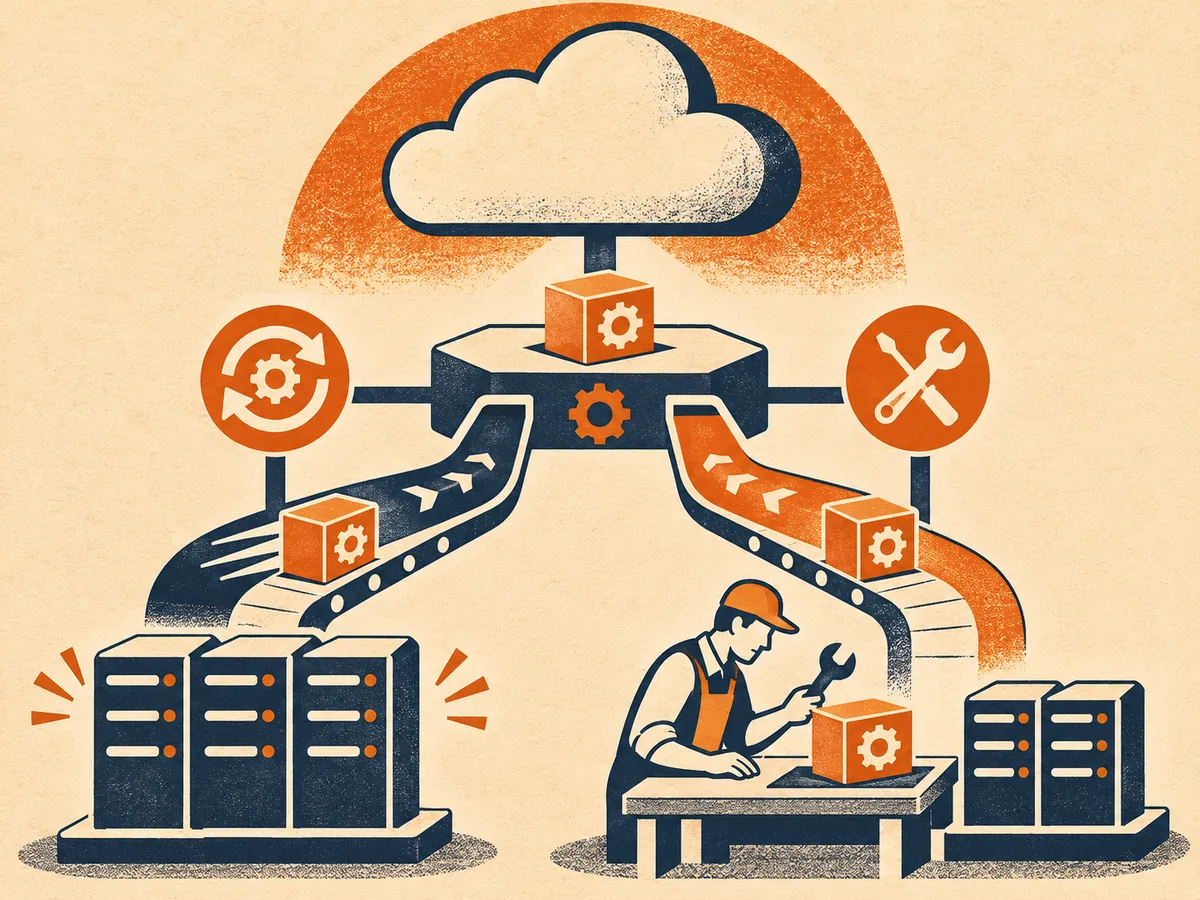
Google Cloud’s 17 November release made eager watermark advancement generally available for Dataflow Streaming Engine jobs. Delayed records no longer stall the watermark when enabled. Google advises configuring allowed lateness for windowed aggregations and stateful processing.
Decision to consider:Editorial judgement: Authorise a replay comparison on one eligible non-critical stream, without approving wider enablement.
Who should review it:Data engineering lead accountable, with reporting and service reliability owners.
Suggested next step:Immediate check (editorial judgement): Confirm Streaming Engine eligibility and current allowed-lateness settings; replay representative delays and compare window timing, dropped-late-data metrics and output totals with the current job.
Based on the announcement dated .

Why it matters
العربيةReporting and pipeline owners may get more predictable dashboard updates, but records beyond the allowed-lateness window may not appear in results. That creates a reconciliation task: distinguishing a timing improvement from a loss of events that matter to downstream totals.
My take
العربيةEditorial judgement: Prioritise timeliness only where late-event losses remain within the reporting team's existing data tolerances. If consequential events disappear from results, retain current behaviour even if outputs arrive sooner. The approval criterion is reconciled downstream totals and dropped-late-data evidence, not watermark progress alone.
My operating checks
العربية- Which jobs both use Streaming Engine and have measured watermark stalls attributable to delayed records?
- What delay distribution and event samples would make a replay representative of the stream's expected late arrivals?
- Which reconciliation records and reviewer sign-offs establish whether dropped late records changed downstream totals?
The decision brief and operating questions are proposed diligence, not claims of performed work. Analysis is prepared with AI assistance and checked against the named primary sources. Editorial standards
Evidence and date verification
- docs.cloud.google.com
The official record describes the change and scope qualifications.
Technical scope. The companion dated release gives the availability milestone.
- docs.cloud.google.com
The product release notes identify the new general availability milestone.
The announcement appears in the 2026-11-17 section.