Google Cloud reports patched Java base images rolled out to named managed services; some workloads still need redeploying
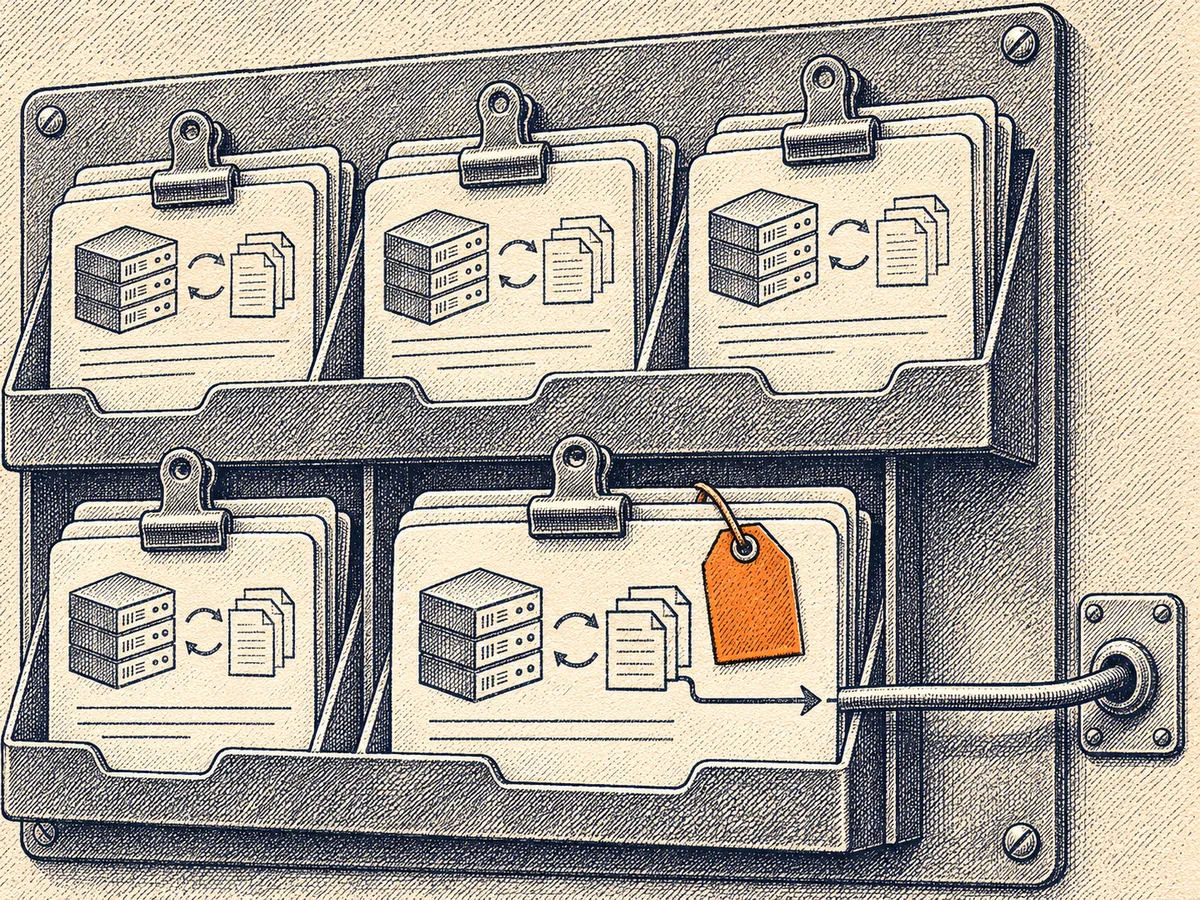
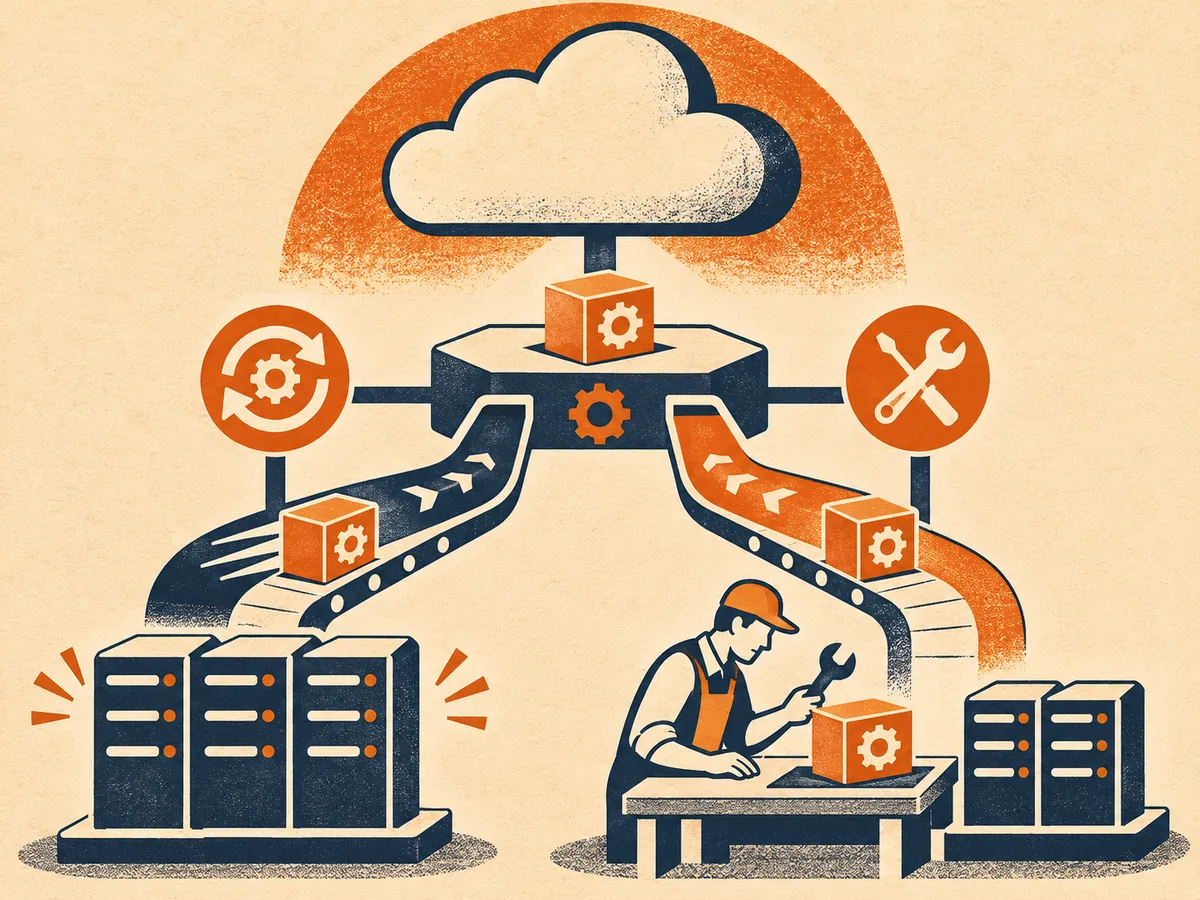
On 20 November, Google Cloud reported that patched Java 17, 21 and 25 base images finished rolling out for named managed services, including App Engine and Cloud Run. The App Engine flexible Java notes tell customers to rebuild and redeploy. Cloud Run services with automatic base image updates receive the patch automatically, while jobs, worker pools, custom containers and deployments without automatic updates need customer action.
Decision to consider:Editorial judgement: Assign separate patch owners for Java workloads with automatic base image updates and for those needing customer action.
Who should review it:The cloud platform lead should coordinate the assignments and agree the closure standard with security and each service owner.
Suggested next step:Check each production Java workload's deployment type and update settings. Record which workloads need action, who owns it and how they will verify the live runtime.
Based on the announcement dated .
Why it matters
العربيةIf the cloud platform team closes a patch ticket on the rollout notice alone, it could mark a production workload as patched while it still runs an older Java runtime. The remaining work varies by deployment mode.
My take
العربيةEditorial judgement: Where automatic updates apply, avoid the disruption of a redeploy if normal instance turnover will move live instances onto the patched runtime by the agreed deadline. If waiting would leave the exposure open past that deadline, schedule a controlled redeploy that takes any critical service window into account. Close each patch item only after verifying the patched runtime in the live deployment.
My operating checks
العربية- Which change record identifies each workload's owner and who can approve a redeploy outside its normal change window?
- What instance-level evidence shows whether any warm instances still run an older Java runtime?
- What must the verification record cover before security will sign off on a workload's patch item?
The decision brief and operating questions are proposed diligence, not claims of performed work. Analysis is prepared with AI assistance and checked against the named primary sources. Editorial standards
Evidence and date verification
- docs.cloud.google.com
App Engine flexible Java release notes identify the updated runtime lines and tell application owners to rebuild and redeploy.
The product release note is dated 20 November 2026.
- docs.cloud.google.com
The bulletin distinguishes automatic base image updates from workloads needing customer action, and lists other services separately.
Originally published on 17 November. The 20 November update confirms the managed Java base image rollout milestone.
- docs.cloud.google.com
Cloud Run release notes distinguish automatically updated services from custom containers, jobs, worker pools and other manually updated deployments.
The Cloud Run release note is dated 20 November 2026.