AWS adds Nitro Sandboxes for isolated container and VM workloads
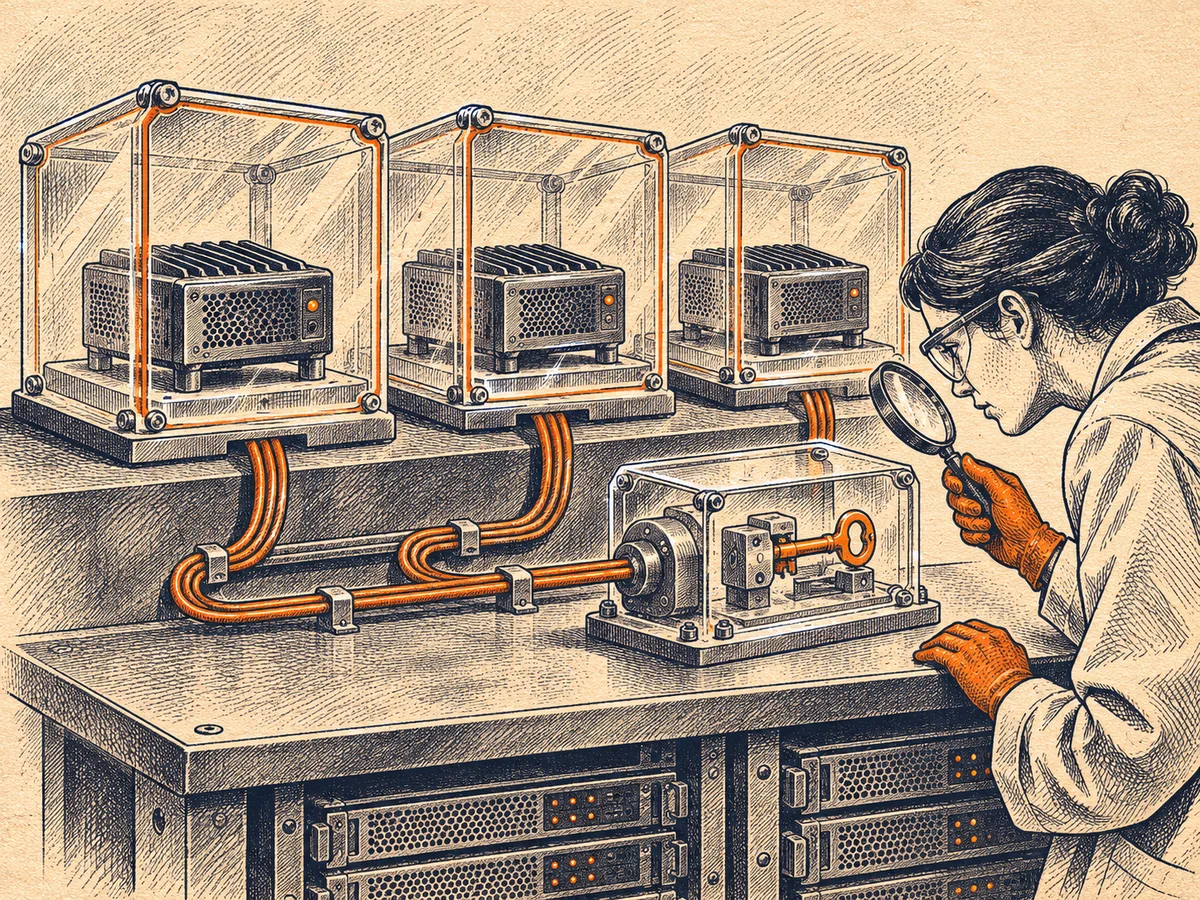
AWS announced Nitro Sandboxes on 9 November for EKS pods, ECS tasks and workloads running directly on EC2. Each sandbox uses a lightweight virtual machine on the Nitro Hypervisor while sharing an EC2 instance with other workloads.
Decision to consider:Assess whether sandbox isolation is appropriate for a defined class of untrusted or sensitive workloads on shared EC2 capacity.
Who should review it:Platform engineering, application security and the service owner should agree the threat model and secret-release conditions.
Suggested next step:Run negative attestation tests, confirm supported instance types and measure workload overhead. Document patch ownership and recovery procedures before accepting production traffic.
Based on the announcement dated .
What happened
العربيةCryptographic attestation can allow applications to release sensitive material only after checking the sandbox’s integrity.
Why it matters
العربيةRunning code from different tenants or automated agents on shared infrastructure makes isolation an operational responsibility. Attestation adds a check that can be tested before secrets are released.
My take
العربيةI would require a failure demonstration before accepting the isolation design. The useful test is whether a workload with the wrong identity, modified configuration or expired approval loses access predictably. A secure boundary also needs owners for image updates, incident investigation and recovery.
My operating checks
العربية- Who approves the identity and configuration that may receive a secret?
- How will the service respond when attestation fails during normal operations?
- What isolation and recovery evidence is required before adding another tenant?
The decision brief and operating questions are proposed diligence, not claims of performed work. Analysis is prepared with AI assistance and checked against the named primary sources. Editorial standards
Evidence and date verification
- aws.amazon.com
Announcement, supported functionality and stated availability limits described in the factual lead and caveats.
Official release dated 2026-11-09.