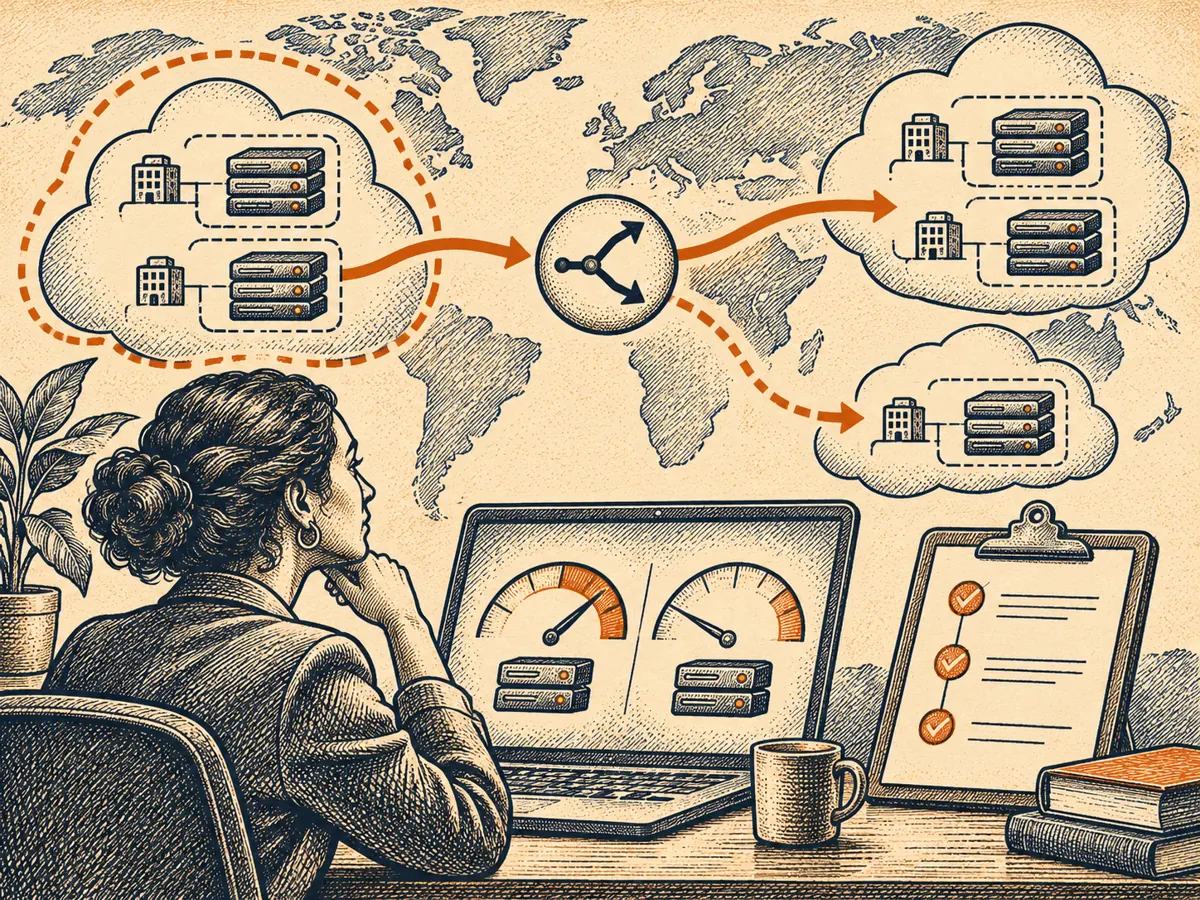
SageMaker adds GPU partitioning for shared inference capacity
On 30 October AWS announced SageMaker support for NVIDIA Multi-Instance GPU partitioning, with up to seven isolated compute and memory partitions per GPU.
Decision to consider:Decide whether sharing GPU capacity improves cost per useful inference while preserving each model’s service commitments.
Who should review it:AI platform owners, capacity planners and service leads accountable for latency, throughput and recovery.
Suggested next step:Benchmark a proposed partition layout under representative peaks and failure scenarios before moving more models. Confirm the listed instance and regional support, and retain headroom. Seven possible partitions do not establish that every workload fits or saves money.
Based on the announcement dated .
What happened
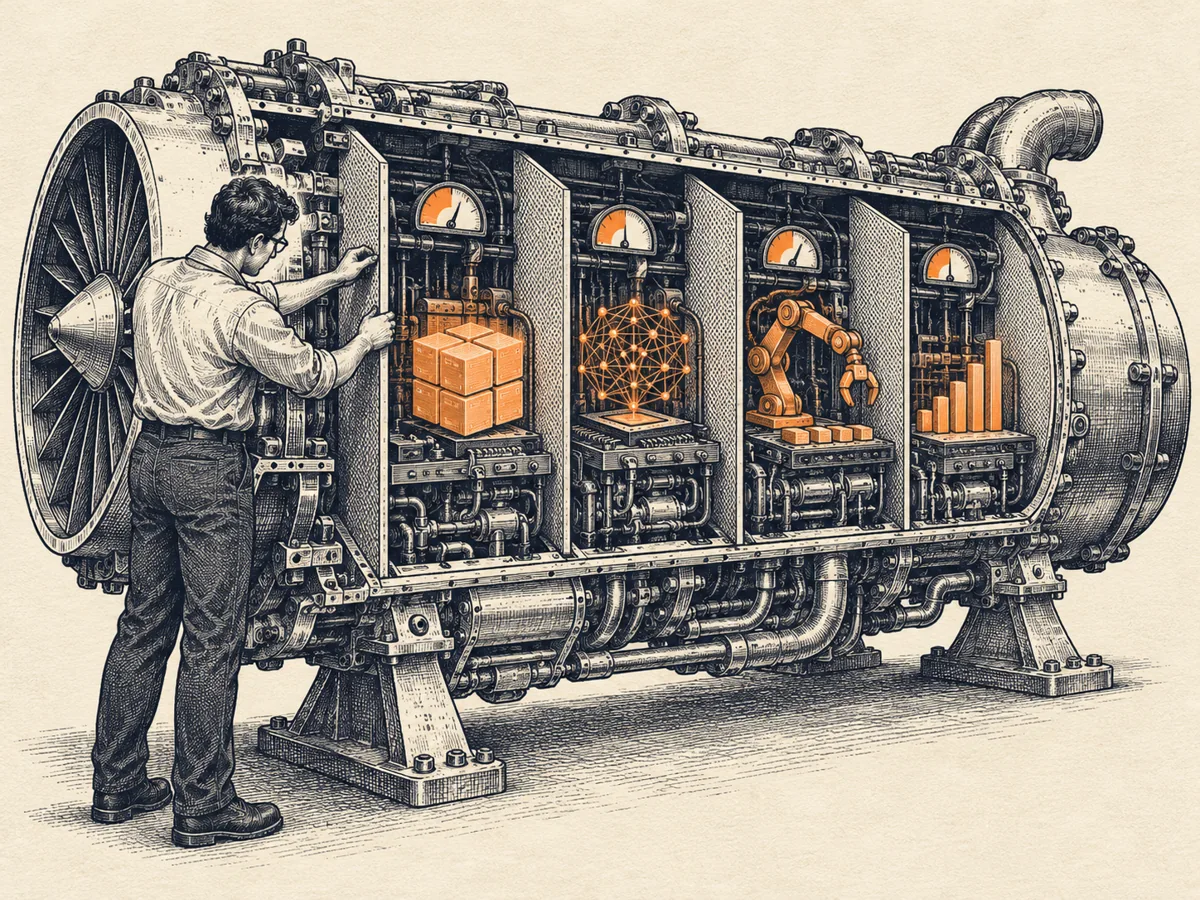
العربيةInference components are configured at endpoint creation, while model-name invocation remains unchanged. The release covers P4d, P5, G7 and G7e in the named supported regions.
Why it matters
العربيةSmaller models may use only part of a large accelerator. Partitioning offers another way to allocate capacity, but the right layout depends on memory demand, traffic and latency requirements.
My take
العربيةBenchmark representative workloads before treating a denser configuration as a saving. Include peak demand and recovery scenarios, then allocate enough headroom for each service’s commitments. Capacity planning should expose both the cost per useful result and the operational consequence when one model’s demand changes.
My operating checks
العربية- Which latency and throughput targets must each model meet under the proposed partition layout?
- How much headroom is required for demand spikes and recovery, and who approves that trade-off?
- What measured cost per successful inference would justify moving more models onto shared hardware?
The decision brief and operating questions are proposed diligence, not claims of performed work. Analysis is prepared with AI assistance and checked against the named primary sources. Editorial standards
Evidence and date verification
- aws.amazon.com
Release capabilities, availability, configuration and material limitations.
Official release states Posted on: Oct 30, 2026.