Microsoft’s 17 November case study reports quicker reviews and higher case closure rates at Apollo Hospitals. Clinicians edit the DTH agent’s suggestions before review; the comparisons are observational.
The US approval covers adults and children weighing at least 7 kg whose neurological symptoms began before age six; trained providers administer treatment every two weeks.
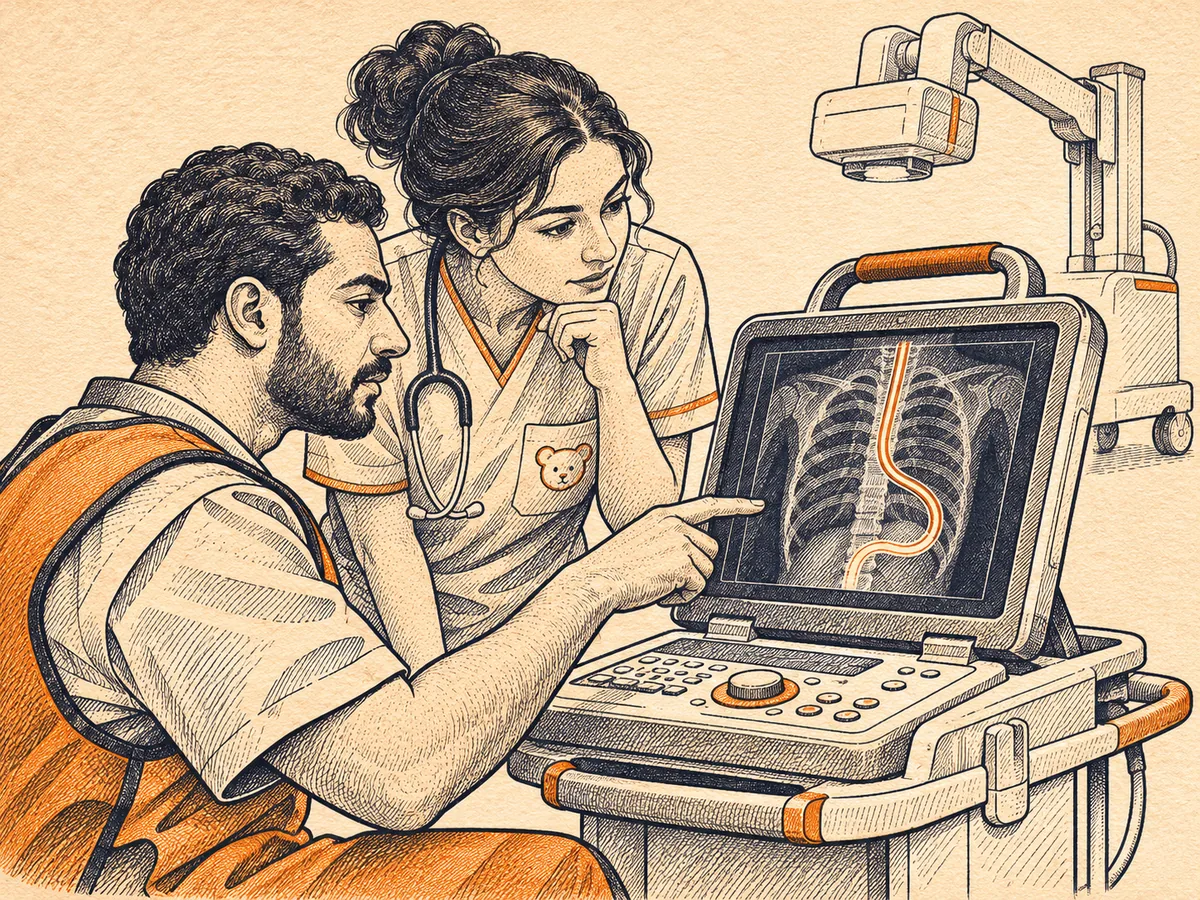
Critical Care Suite 3.0 detects feeding tubes and supports tip and side-port assessment in adult and pediatric mobile X-rays without an internet connection.
The proposed extension of BlueSeal from 1.5T to 3.0T remains pending FDA 510(k) clearance; Philips says the systems are not available for sale in any jurisdiction.
Three nominees require shareholder appointment at the 2027 AGM. The audit chair handoff is conditional on appointment; Philips announced the Quality & Regulatory Committee succession separately.
Up to about $1.125 billion in potential regulatory and commercial milestone payments could follow. Closing is expected before the end of 2026, subject to regulatory approvals and customary conditions; OLN324 remains investigational.
The updated Chinese list takes effect on 1 January 2027, adding specified combination uses and renewing an ORPATHYS indication; other listed coverage continues under current agreements.
OpenAI also reports improved clinical search; protected health information workflows require eligible services covered by a business associate agreement, required settings and connected-system safeguards.
The companies expect advanced readings in the first half of 2027 for KardiaCare subscribers on select devices; the issuer cites 92% fewer inconclusive readings in a 296-person study.
The FDA also authorised FoundationOne Liquid CDx as a companion diagnostic; eligibility requires an ESR1 mutation detected by an FDA-authorised test and specified prior endocrine treatment.