UAE and Syria launch a third phase of medical workforce training
The Syrian-Emirati Jahiziyat Suriya programme announced its third phase on 9 November, targeting training for 20,000 medical, emergency, technical and leadership personnel over five years.
Decision to consider:Assess how the training programme can address defined workforce gaps before using its target as evidence of readiness.
Who should review it:Clinical education leaders, workforce planners and programme sponsors should share responsibility for competency evidence.
Suggested next step:Map training cohorts to service needs and agree practical assessments, instructor capacity and retention measures. Review progress by demonstrated skills and institutional coverage as well as the number of people trained.
Based on the announcement dated .
What happened
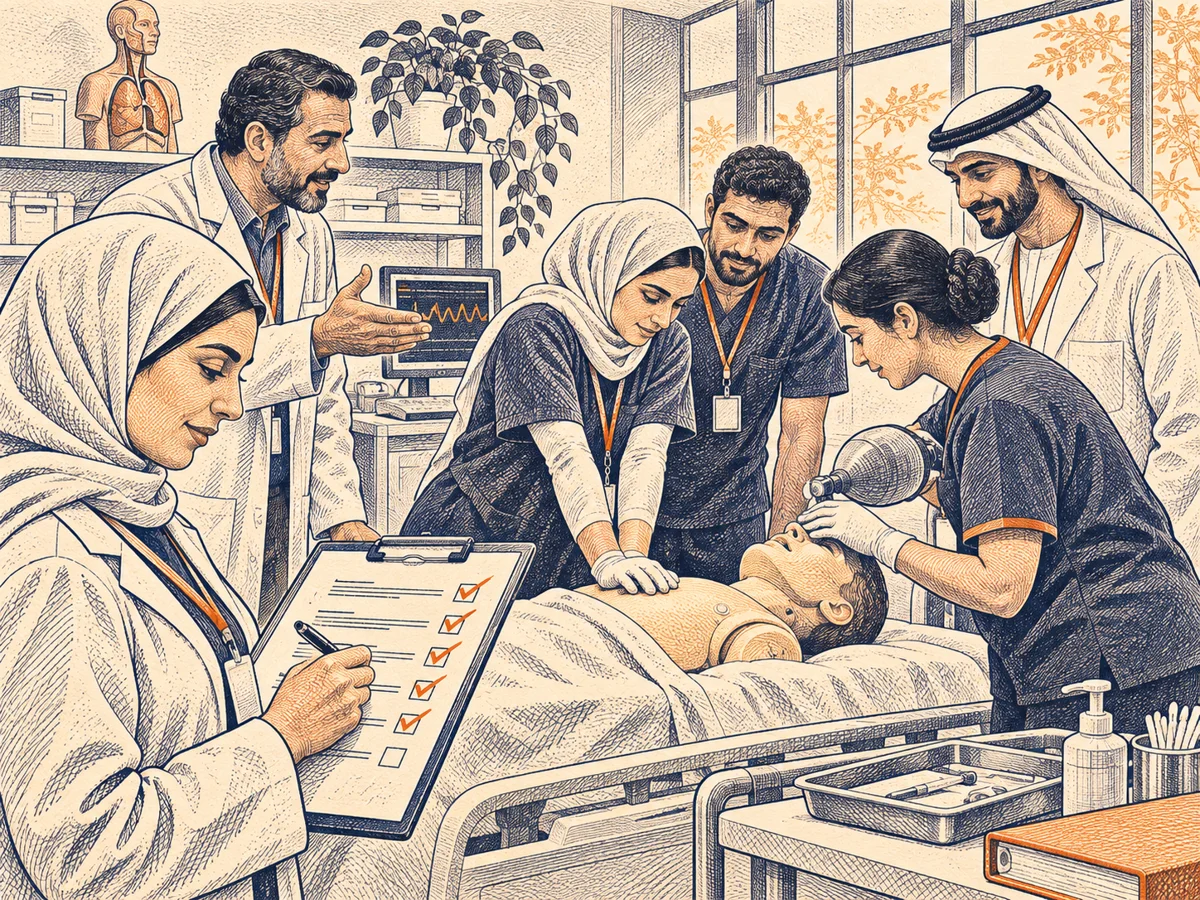
العربيةThe programme includes clinical and simulation-based education, trainee assessment and development of local instructors.
Why it matters
العربيةA multi-year workforce programme needs evidence that skills remain available in institutions after individual courses end.
My take
العربيةI would connect each training pathway to a service need and a measurable competency. The valuable delivery evidence is not a single participant total. It is whether teams can demonstrate the required skills, retain instructors and refresh competence over time.
My operating checks
العربية- Who validates competence after each training pathway?
- How will institutions maintain training when staff or instructors leave?
- What evidence shows that skills improve readiness in the intended services?
The decision brief and operating questions are proposed diligence, not claims of performed work. Analysis is prepared with AI assistance and checked against the named primary sources. Editorial standards
Evidence and date verification
- www.wam.ae
Official dated announcement, scope and stated implementation or availability qualifications.
Official source dateline 9 November 2026.