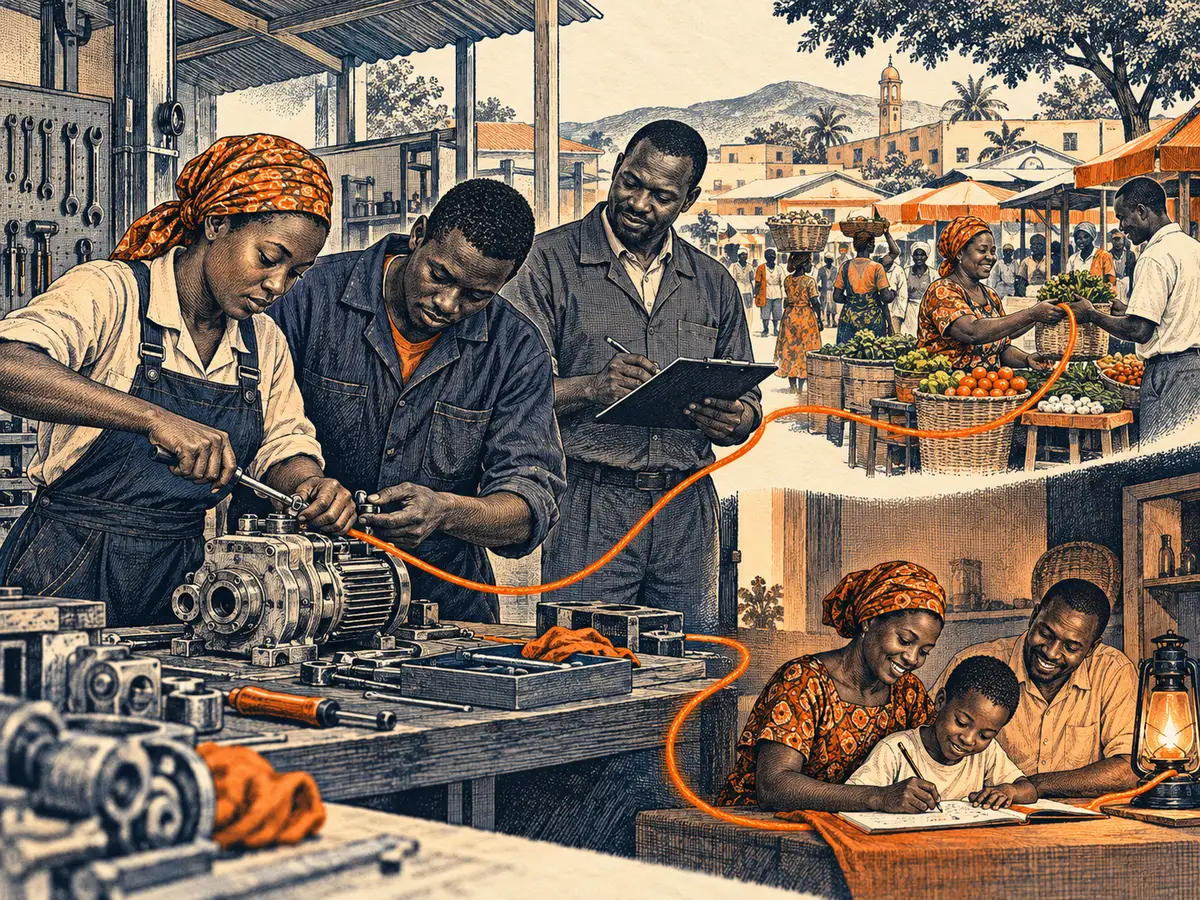
Rwanda’s solar programme shows why affordability design matters
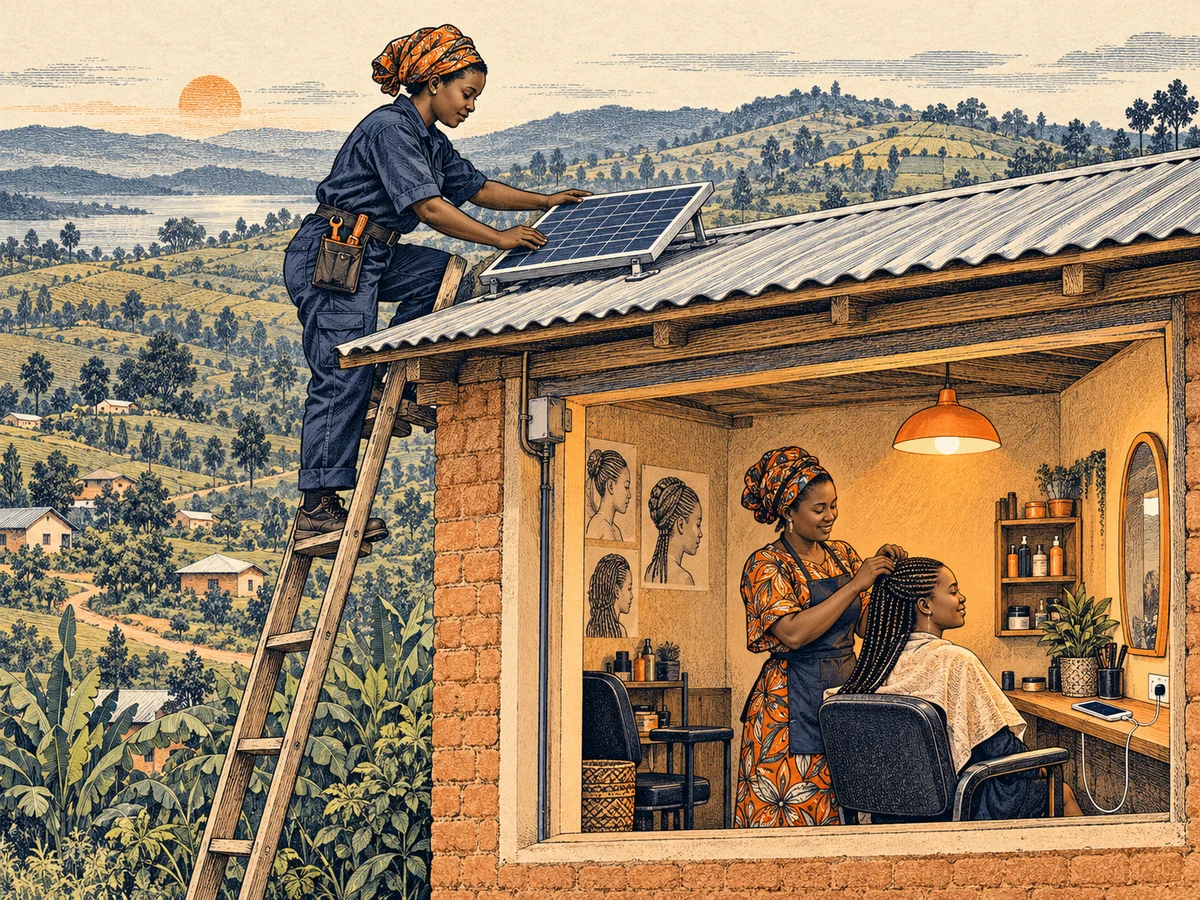
The World Bank reviewed Rwanda’s Renewable Energy Fund, which shifted toward targeted solar grants after limited uptake under its initial lending approach.
Decision to consider:Test the affordability model before scaling access infrastructure, using the Rwanda retrospective to examine who a lending or grant design excludes.
Who should review it:Energy-access programme owners, financing partners and the teams responsible for subsidy targeting and maintenance.
Suggested next step:Identify the cost that prevents adoption, define recipient verification and assign support after installation. Assess whether the intervention reaches intended households. Keep the reported beneficiaries tied to the programme that closed in December 2024, rather than presenting them as new October connections.
Based on the announcement dated .
What happened
العربيةIt reports more than 2 million beneficiaries by the project’s December 2024 closure, with women accounting for 52%.
Why it matters
العربيةA technically viable infrastructure offer can still fail if customers cannot afford access.
My take
العربيةMy take: delivery teams should test the affordability model early and track who is excluded.
My operating checks
العربية- Which cost prevents customers from adopting?
- How will subsidy targeting and verification work?
- Who maintains systems as demand grows?
The decision brief and operating questions are proposed diligence, not claims of performed work. Analysis is prepared with AI assistance and checked against the named primary sources. Editorial standards
Evidence and date verification
- www.worldbank.org
Primary account supporting the stated facts and status.
Publisher shows 2026-10-22.