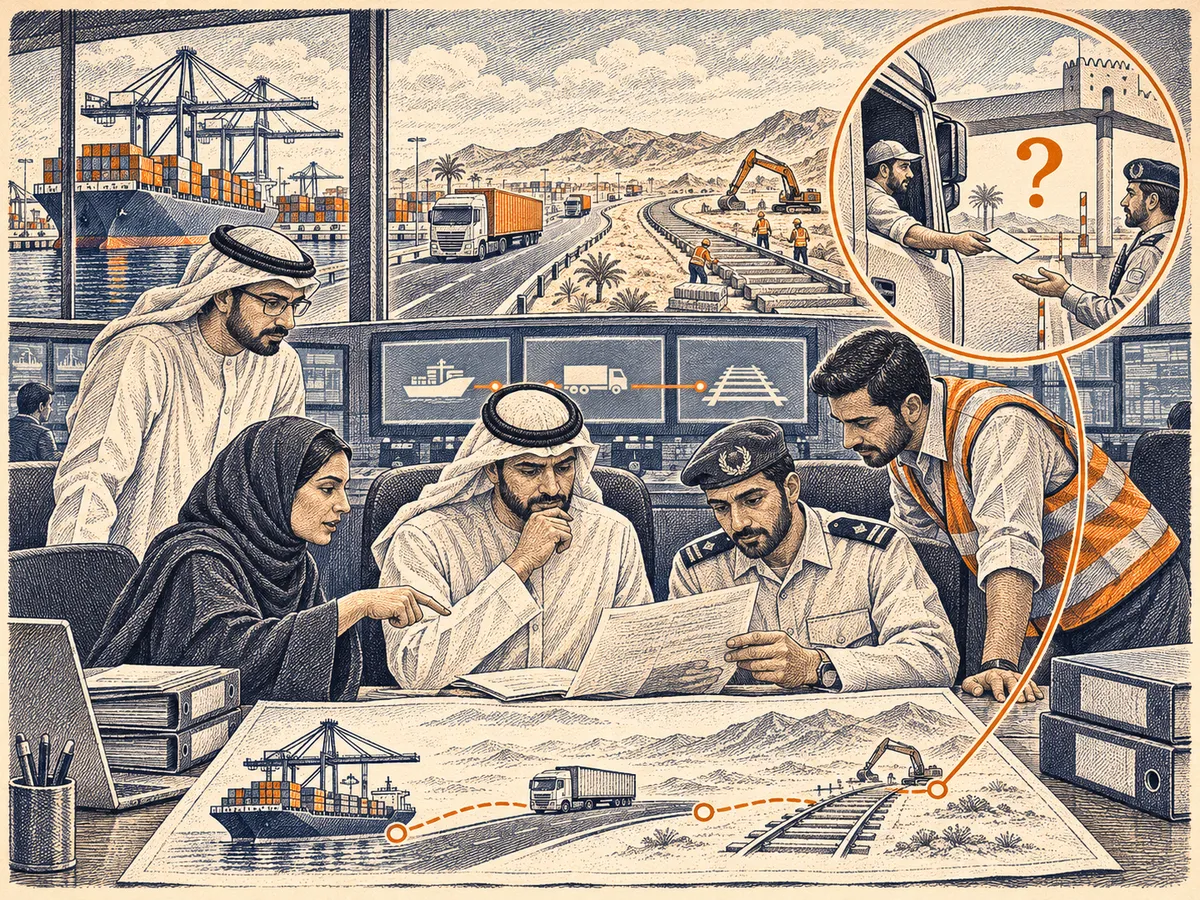
OECD finds a gap between mutual recognition and border procedures
The OECD published an analysis on 5 November 2026 of how mutual recognition instruments support trade facilitation.
Decision to consider:Review whether existing recognition arrangements change the actual import workflow.
Who should review it:Trade compliance, customs, quality and technology leaders should share responsibility for document acceptance.
Suggested next step:Trace a sample shipment from certification to clearance. Identify repeated checks, unclear rules and unresolved exceptions. Agree acceptance criteria and escalation routes with the relevant authorities, then measure time and cost before claiming that formal recognition has produced an operating benefit.
Based on the announcement dated .

What happened
العربيةIts executive summary finds that few instruments explicitly incorporate customs or border procedures. Formal recognition can therefore remain disconnected from the administrative process used when goods enter a market.
Why it matters
العربيةA recognised certificate creates little operating benefit if traders still face duplicate submissions or unclear acceptance rules at the border.
My take
العربيةMeasure the process that a trader experiences. Make document acceptance, exception handling and inter-agency ownership explicit before claiming that an agreement has reduced friction.
My operating checks
العربية- Which recognised certificates still trigger duplicate checks?
- Who resolves a disagreement between the regulator and the border agency?
- What evidence would demonstrate a reduction in clearance time and compliance cost?
The decision brief and operating questions are proposed diligence, not claims of performed work. Analysis is prepared with AI assistance and checked against the named primary sources. Editorial standards
Evidence and date verification
- www.oecd.org
Full official primary page and executive summary read. Economic security full paper read. Facts limited to the retrieved text.
Official publication date 2026-11-05.