OECD records 17 additional heat-stress days a year against its historical baseline
The OECD published its Climate Action Monitor on 5 November. Across OECD countries, populations experienced an average of 17 more heat-stress days per year in 2021–25 than in the 1981–2010 baseline.
Decision to consider:Select site-specific triggers for changing shifts or continuity arrangements before relying on a regional climate average.
Who should review it:Operations, worker safety and supply-chain leads should review the local exposure of one critical facility and the response it can actually sustain.
Suggested next step:Compare recent disruption records with measured heat conditions. Name the person who can change a shift, the backup capacity available and the point at which a supplier interruption reaches customers.
Based on the announcement dated .
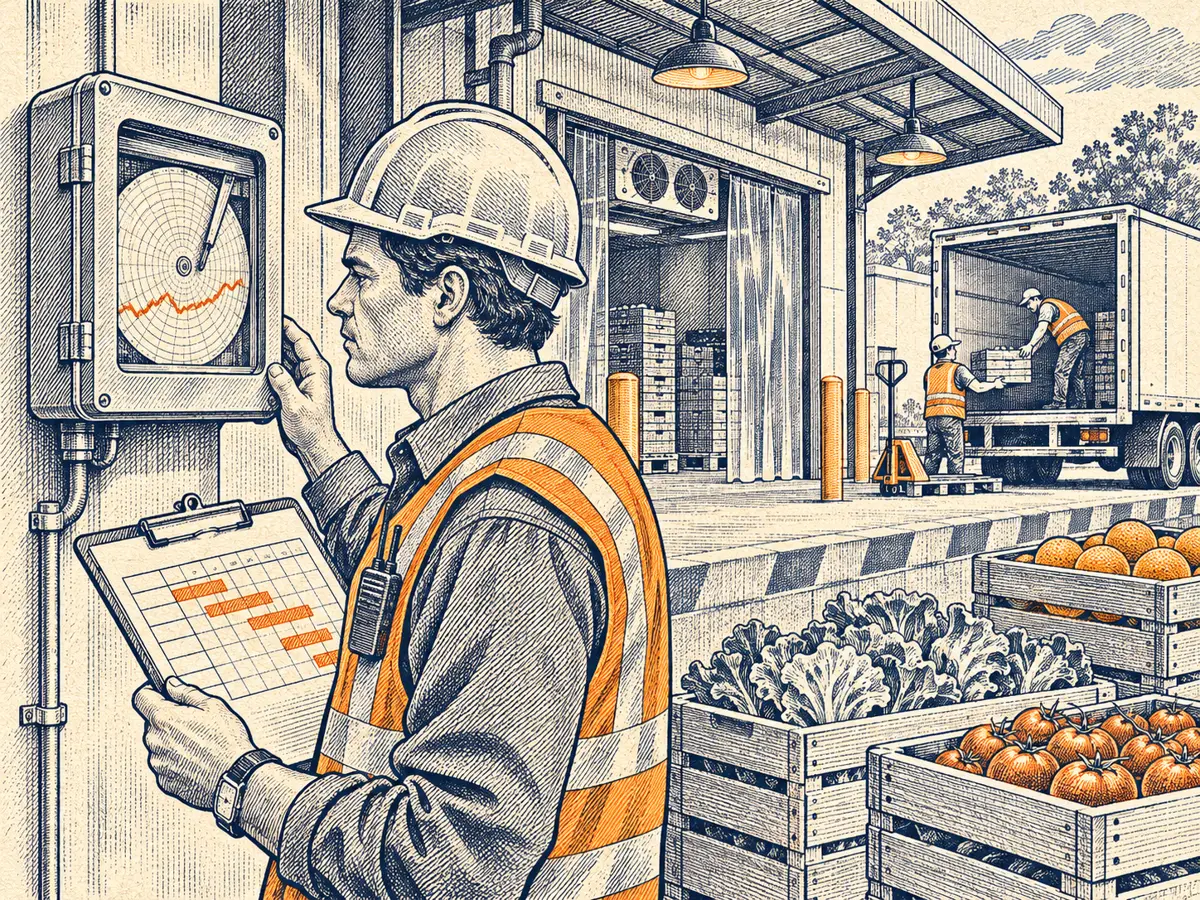
Why it matters
العربيةA national exposure measure cannot tell a manager which shift or supplier will fail first.
My take
العربيةCompare recent disruption records with measured heat conditions. Name the person who can change a shift, the backup capacity available and the point at which a supplier interruption reaches customers.
My operating checks
العربية- Which local measure triggers a change?
- Who can suspend a shift?
- How long can substitute capacity cover a disruption?
The decision brief and operating questions are proposed diligence, not claims of performed work. Analysis is prepared with AI assistance and checked against the named primary sources. Editorial standards
Evidence and date verification
- www.oecd.org
The OECD published its Climate Action Monitor on 5 November. Across OECD countries, populations experienced an average of 17 more heat-stress days per year in 2021–25 than in the 1981–2010 baseline.
Official statistical release dated 5 November 2026.