Agentic AI at the Allen Telescope Array still needs a validation gate
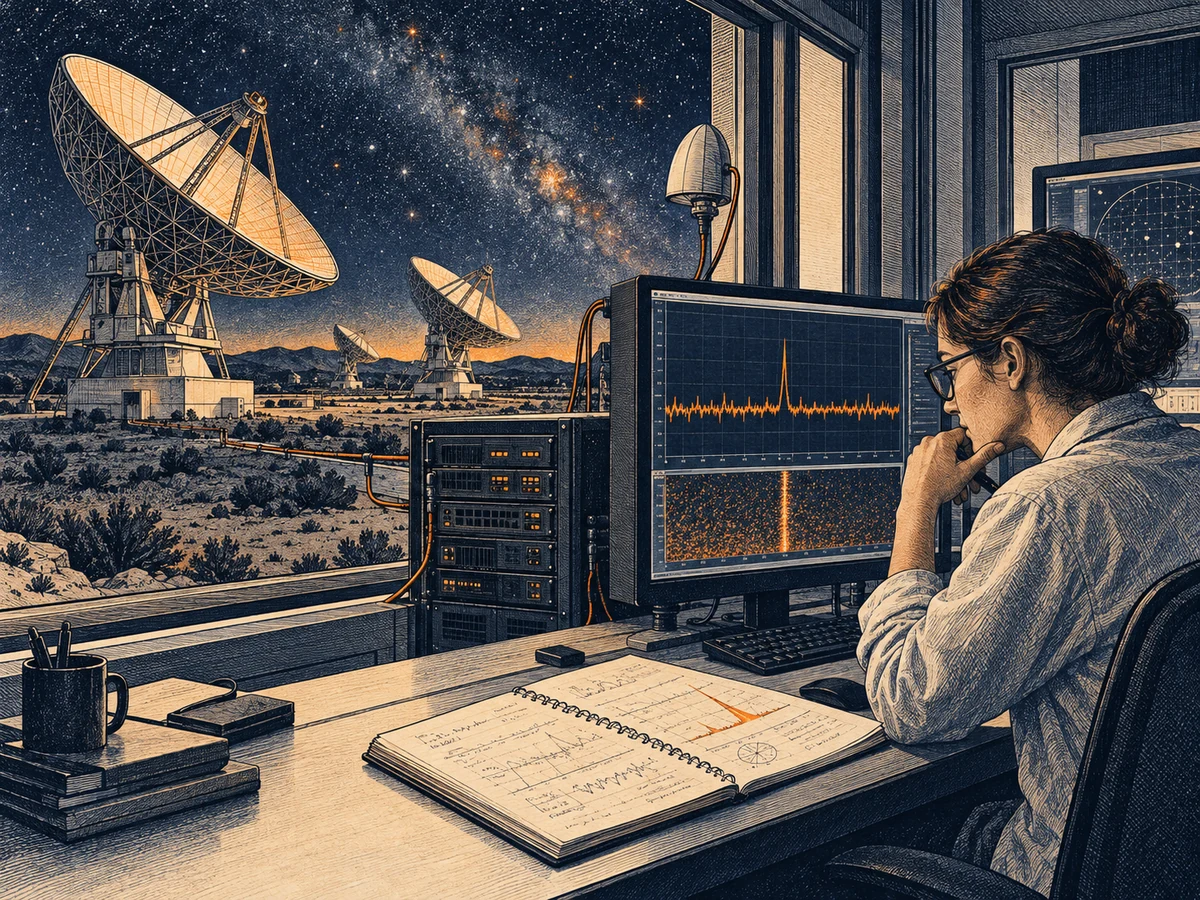
NVIDIA's 30 October report describes agentic AI at the Allen Telescope Array, combining instrument control, live data processing and model analysis.
Decision to consider:Separate an agent’s permission to control research equipment from the authority to accept its interpretation of a signal.
Who should review it:Observatory operations leads, principal researchers and independent reviewers responsible for scientific validation.
Suggested next step:Preserve raw measurements, calibration history and the decision trail, then define the confirmation required for a candidate result. The described operating system and reported pulsar detection do not establish extraterrestrial intelligence or universal performance gains.
Based on the announcement dated .
What happened
العربيةThe system uses Holoscan and an observatory orchestration layer. NVIDIA reports a real-time AI detection of a pulsar in the Crab Nebula.
Why it matters
العربيةConnecting an agent to scientific instruments changes both the speed of observation and the importance of preserving a reproducible record of what the system did.
My take
العربيةI would separate permission to control equipment from authority to interpret a result. Researchers need the original measurements, calibration history and decision trail when a candidate signal appears. Faster analysis is valuable when independent checks remain possible and uncertainty survives the handoff.
My operating checks
العربية- Which instrument changes may an agent make without a researcher's approval?
- What raw measurements and calibration records must be preserved for independent review?
- What confirmation is required before a candidate signal is treated as a scientific finding?
The decision brief and operating questions are proposed diligence, not claims of performed work. Analysis is prepared with AI assistance and checked against the named primary sources. Editorial standards
Evidence and date verification
- blogs.nvidia.com
Announcement scope, publication date and stated qualifications.
Official full primary article read; dated 30 October 2026.