Model Armor moves template controls into organisation policy
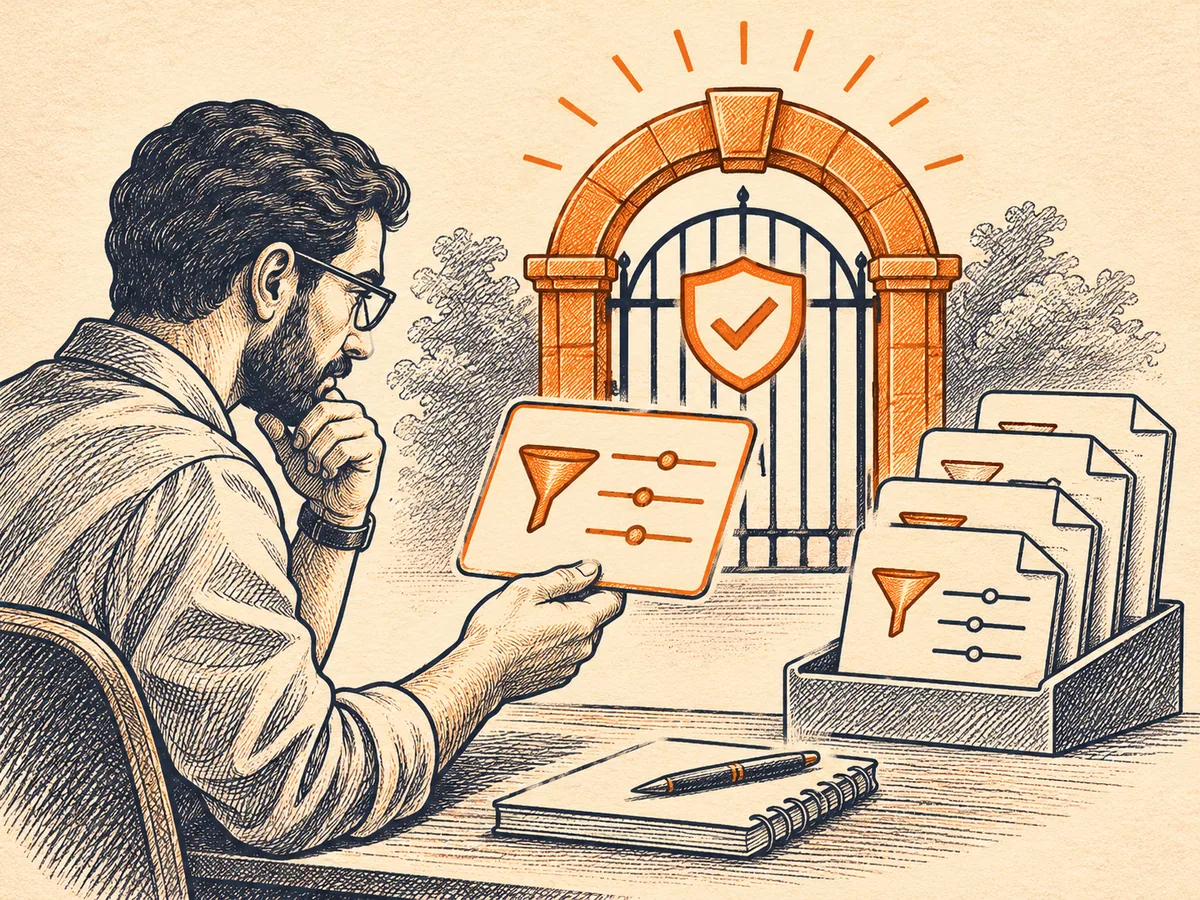
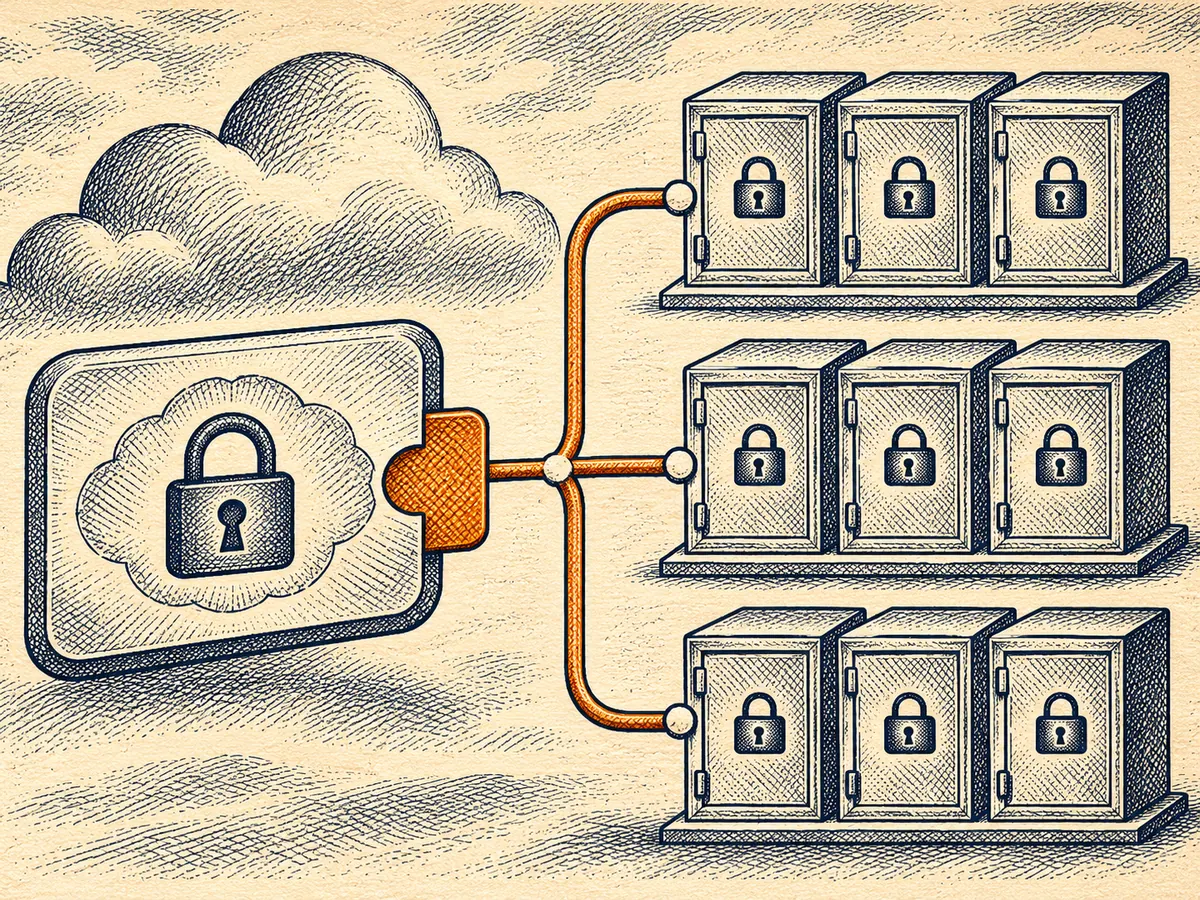
Google made custom organisation policies for Model Armor generally available.
Decision to consider:Set mandatory Model Armor filters and an exception process before enforcing organisation-wide policy on new or updated templates.
Who should review it:Cloud security administrators, application owners and the team responsible for reviewing sensitive-data handling.
Suggested next step:Test legitimate workloads against the proposed minimum controls and assign expiry and review ownership for exceptions. Inventory older templates separately so the policy's scope is clear. Requiring a filter should not be treated as evidence that every harmful prompt will be detected.
Based on the announcement dated .
What happened
العربيةAdministrators can require responsible-AI, sensitive-data or prompt-injection filters on new or updated templates.
Why it matters
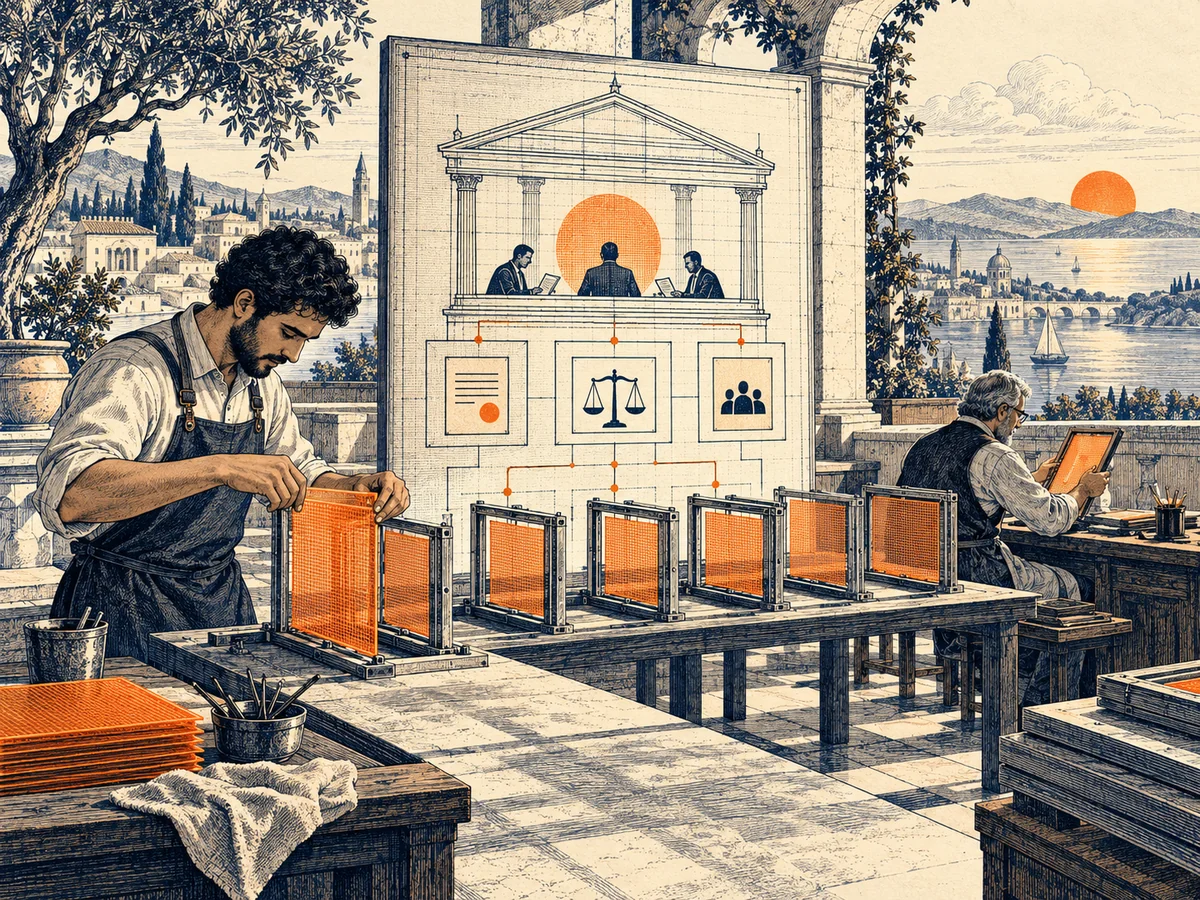
العربيةA centrally defined minimum can reduce inconsistent configuration across projects.
My take
العربيةI would test policies against legitimate workloads before enforcement and separately inventory older templates.
My operating checks
العربية- Which safeguards are mandatory?
- Who owns exceptions and their expiry?
- How will existing templates be assessed?
The decision brief and operating questions are proposed diligence, not claims of performed work. Analysis is prepared with AI assistance and checked against the named primary sources. Editorial standards
Evidence and date verification
- docs.cloud.google.com
Announcement, scope and availability described in this story.
Feature dated 2026-10-21 in official Google Cloud release notes.
- docs.cloud.google.com
Release date and launch-stage announcement.
2026-10-21 dated product entry.