Meta starts US rollout of voice and expressive avatars in Muse
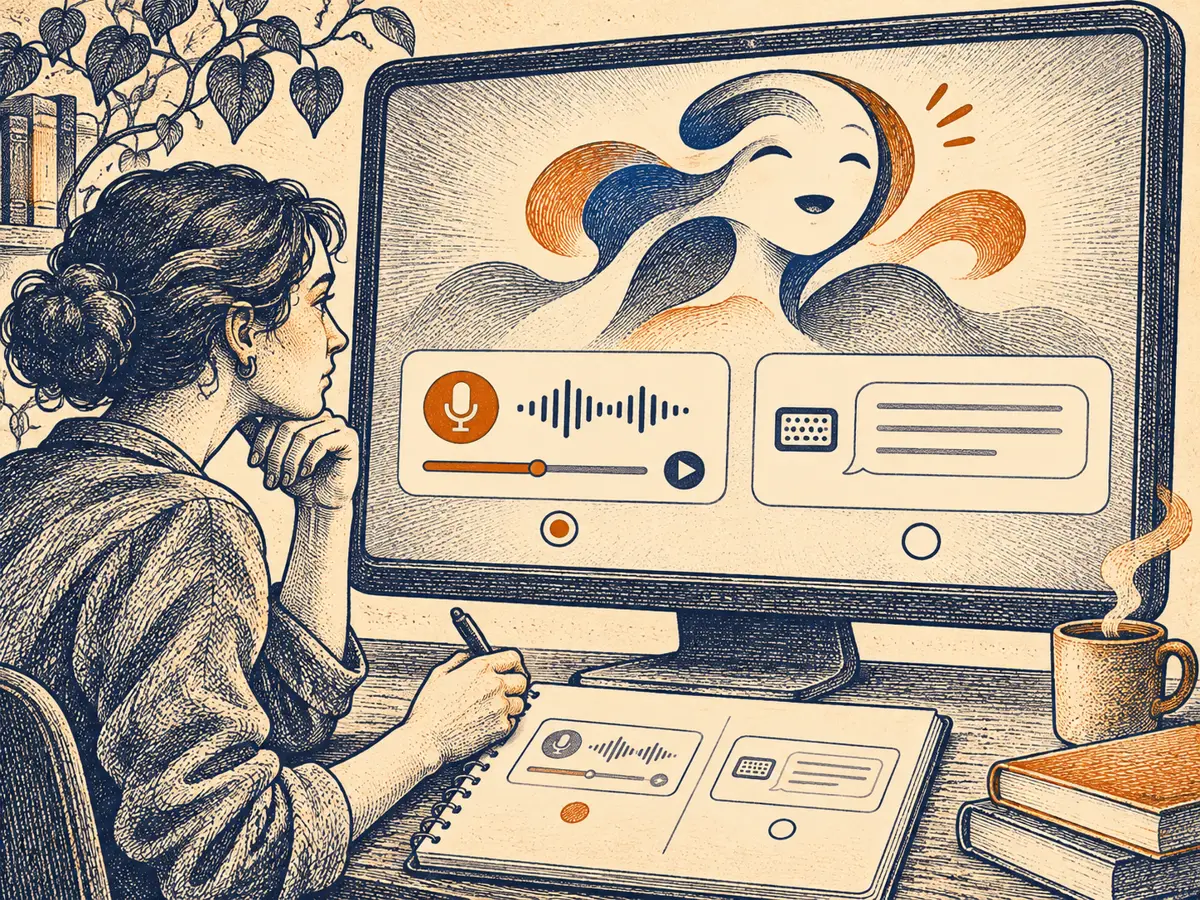
Meta announced on 5 November that it was introducing voice conversations and expressive avatars in its Muse app, starting in the United States.
Decision to consider:Decide which voice interactions need a clear way to correct a misunderstanding before adopting a similar interface.
Who should review it:Customer experience and accessibility leads should test spoken tasks with people who use different accents and communication styles.
Suggested next step:Compare one spoken request with its typed equivalent. Record where the user can inspect or correct the interpretation and how the service hands an unresolved issue to a person.
Based on the announcement dated .
Why it matters
العربيةDecide which voice interactions need a clear way to correct a misunderstanding before adopting a similar interface.
My take
العربيةCompare one spoken request with its typed equivalent. Record where the user can inspect or correct the interpretation and how the service hands an unresolved issue to a person.
My operating checks
العربية- How does a user correct a misheard request?
- What alternative exists when speaking is impractical?
- Who decides whether the response is clear enough?
The decision brief and operating questions are proposed diligence, not claims of performed work. Analysis is prepared with AI assistance and checked against the named primary sources. Editorial standards
Evidence and date verification
- about.fb.com
Meta announced on 5 November that it was introducing voice conversations and expressive avatars in its Muse app, starting in the United States.
Dated 5 November 2026 on the source page.