Meta and CNIB put accessibility feedback inside the adoption plan
On 29 October, Meta announced support for CNIB activities serving Canadians who are blind, Deafblind or have low vision.
Decision to consider:Define how participant-reported accessibility barriers will influence product and training decisions before expanding device distribution.
Who should review it:Accessibility programme owners, peer-training leads and product teams accountable for responding to CNIB participants.
Suggested next step:Agree participant-defined outcomes, escalation ownership and tests of resulting improvements with the people who raised them. The Canadian partnership includes training and donations through specified programmes, but does not establish lasting participant benefit, medical outcomes or universal device availability.
Based on the announcement dated .

What happened
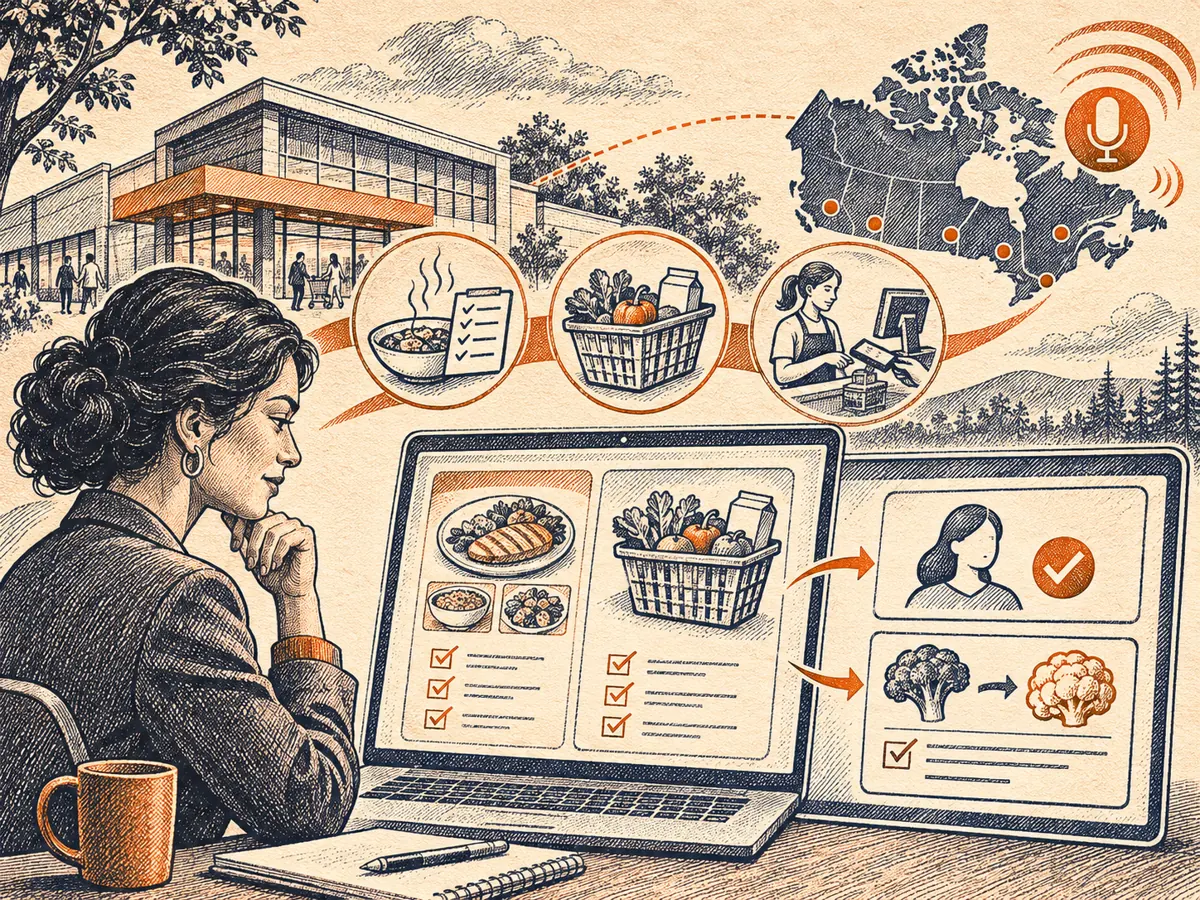
العربيةThe partnership includes community listening, peer training and demonstrations, accessible learning materials, product feedback and AI-glasses donations through CNIB’s Come to Work programme.
Why it matters
العربيةProviding a device is only one part of accessible adoption. Training, appropriate use and a route for reporting limitations determine whether people can use it confidently in everyday work.
My take
العربيةThe feedback loop deserves as much attention as the hardware. I would ask which barriers participants identify, how those reports reach a responsible product team and whether the resulting changes are tested with the people who raised them. A demonstration should begin a learning process rather than stand in for evidence of lasting benefit.
My operating checks
العربية- Who owns the response when a participant reports an accessibility or reliability barrier?
- How will training distinguish useful assistance from situations requiring another form of support?
- What participant-defined outcomes would justify expanding the programme?
The decision brief and operating questions are proposed diligence, not claims of performed work. Analysis is prepared with AI assistance and checked against the named primary sources. Editorial standards
Evidence and date verification
- about.fb.com
Partnership scope, community participation, training, product feedback and Come to Work donations.
Official Meta announcement visibly dated 29 October 2026.