Robbyant introduces a tactile model for robotic manipulation
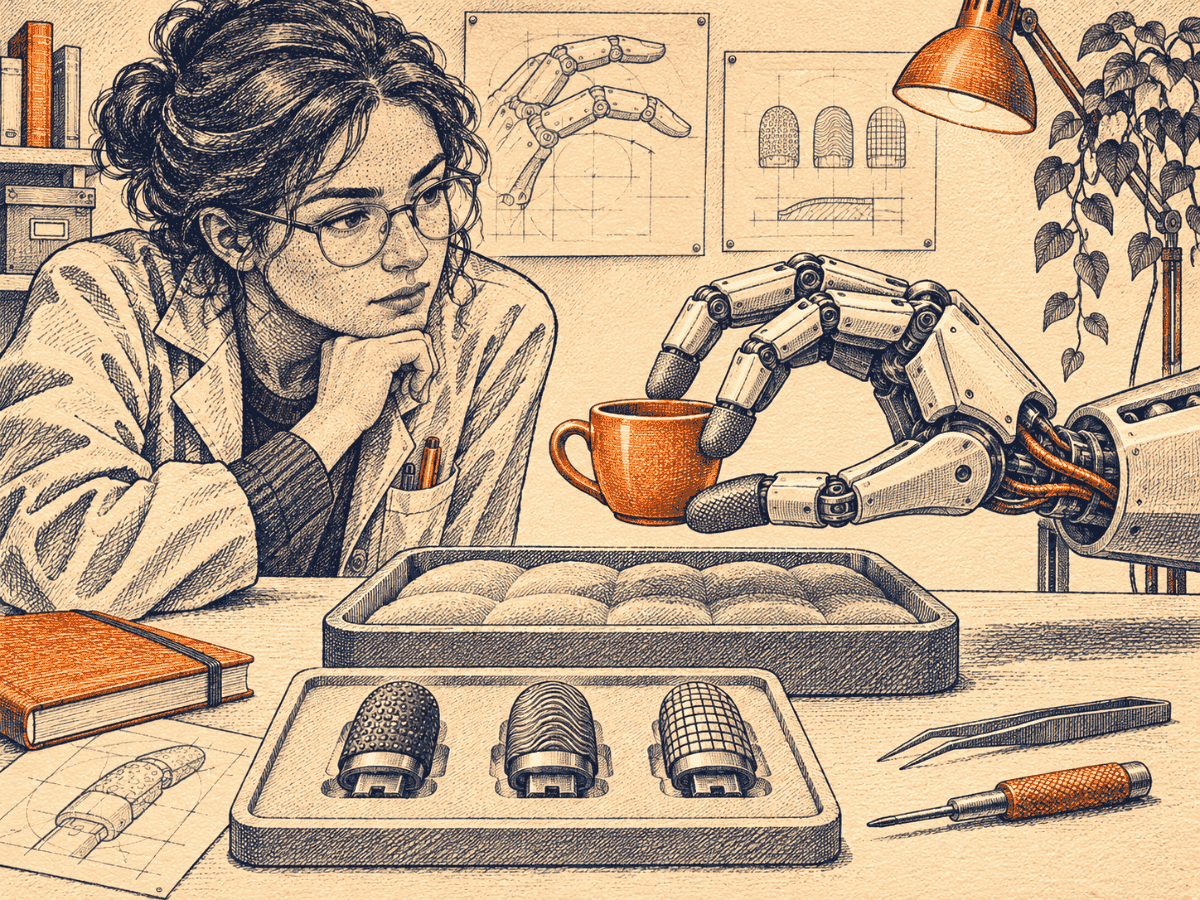
Robbyant introduced LingBot-Touch in research submitted on 9 November, with a model that combines three types of tactile sensor signals for robotic manipulation.
Decision to consider:Consider a controlled evaluation before committing to robotic deployment.
Who should review it:Automation leads, safety engineers and operations owners should define the test boundary.
Suggested next step:Confirm model access and sensor compatibility, then measure failure rates on representative objects. Set stop conditions, recovery procedures and human oversight before using vendor demonstrations to support a production investment.
Based on the announcement dated .
What happened
العربيةThe company's 10 November release describes open inference tools and model downloads. Its repository requires permission to access the separately hosted weights. Reported tests are vendor evidence, not independent proof of safe deployment.
Why it matters
العربيةRobot upgrades need evidence that touch perception transfers to the organisation's own equipment.
My take
العربيةTest failure handling on the intended hand and sensor before using laboratory results to justify production capacity.
My operating checks
العربية- Who accepts the risk of a failed grasp?
- How will sensor changes trigger recalibration?
- What task evidence would justify operating without close supervision?
The decision brief and operating questions are proposed diligence, not claims of performed work. Analysis is prepared with AI assistance and checked against the named primary sources. Editorial standards
Evidence and date verification
- technology.robbyant.com
Announcement, scope, availability and qualifications.
Original research disclosed on 9 November 2026, confirmed by arXiv submission history. The issuer's distribution release followed on 10 November.
- arxiv.org
Original research disclosure date.
Submission history records 9 November 2026 at 18:12 UTC.
- github.com
Inference-only scope, model permissions and calibration requirements.
Read as current implementation evidence, not an original-date substitute.