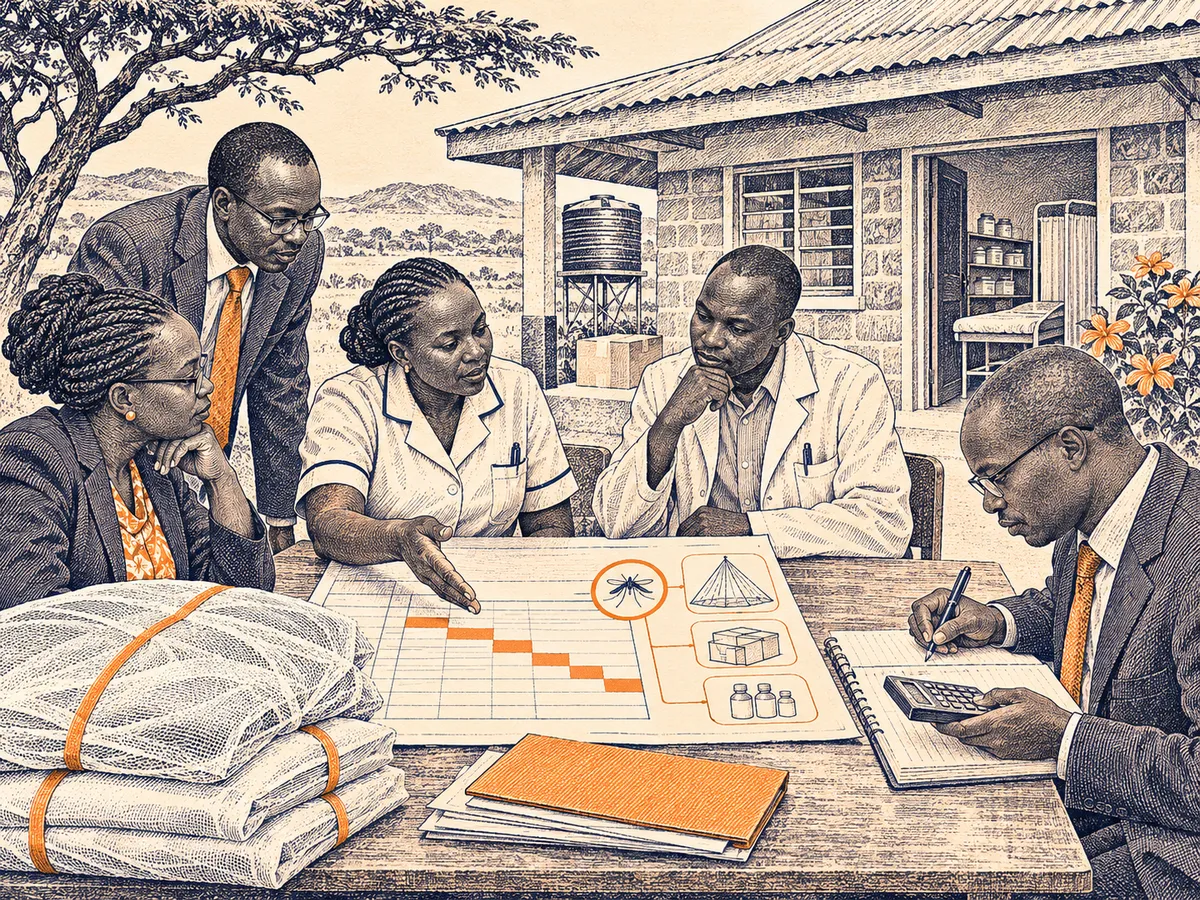
Kenya’s Ebola response update puts readiness evidence beside case counts
In its 3 November update, Kenya’s Ministry of Health reported nine Ebola cases linked to a single transmission chain, no new cases since 19 October and no evidence of community transmission.
Decision to consider:Check whether the local response plan can operate with the staff, supplies and escalation contacts available before relaxing continuity arrangements.
Who should review it:Healthcare executives, facility managers and emergency-preparedness leads should review local readiness alongside current official guidance.
Suggested next step:Verify the duty roster and essential supplies, test the escalation route and record any gap with an accountable owner. Reassess when the health authority updates its position.
Based on the announcement dated .

What happened
العربيةThe update described 46 contacts completing 21-day monitoring and scheduled for release, with 52 still under observation. It also reported screening at 26 designated points of entry, more than 4,900 trained health workers and 349 rapid response teams on standby.
Why it matters
العربيةFor healthcare operators, continuity depends on the availability of people, supplies and escalation routes as well as surveillance results. Aggregate capacity figures need local confirmation before managers rely on a response plan.
My take
العربيةI would ask facility leaders to connect the response plan to actual rosters, usable supplies and a clear escalation contact. A short readiness exercise can reveal gaps that a national total cannot. Decisions should follow current official guidance and the evidence available at the time.
My operating checks
العربية- Who confirms that the trained staff named in the response plan are available on each shift?
- What local evidence shows that essential supplies and escalation routes are ready?
- Which official update or tested readiness result would justify changing continuity arrangements?
The decision brief and operating questions are proposed diligence, not claims of performed work. Analysis is prepared with AI assistance and checked against the named primary sources. Editorial standards
Evidence and date verification
- www.health.go.ke
Reports case and contact-monitoring status, designated entry points, trained health workers and rapid response teams on standby.
Kenya Ministry of Health update dated 2026-11-03