IEA launches an energy-resilience observatory
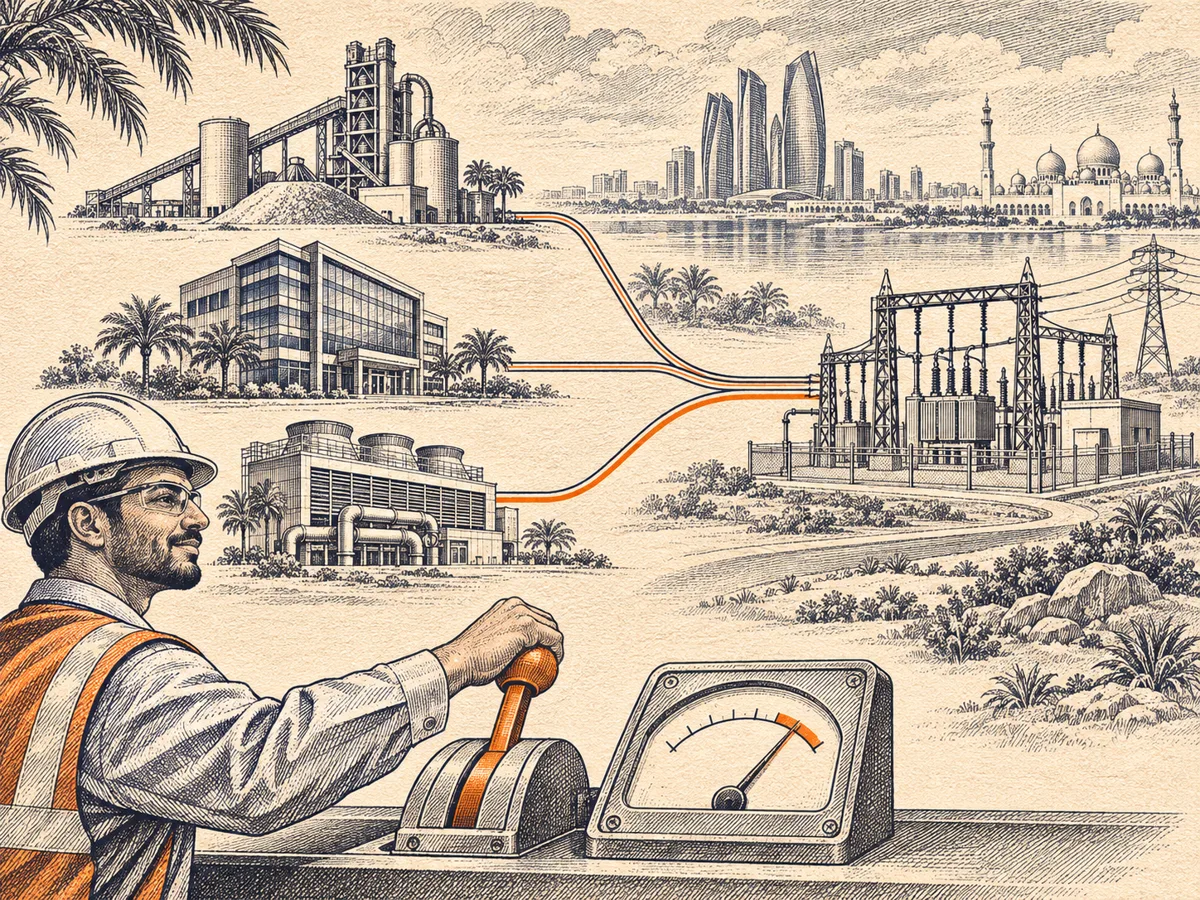
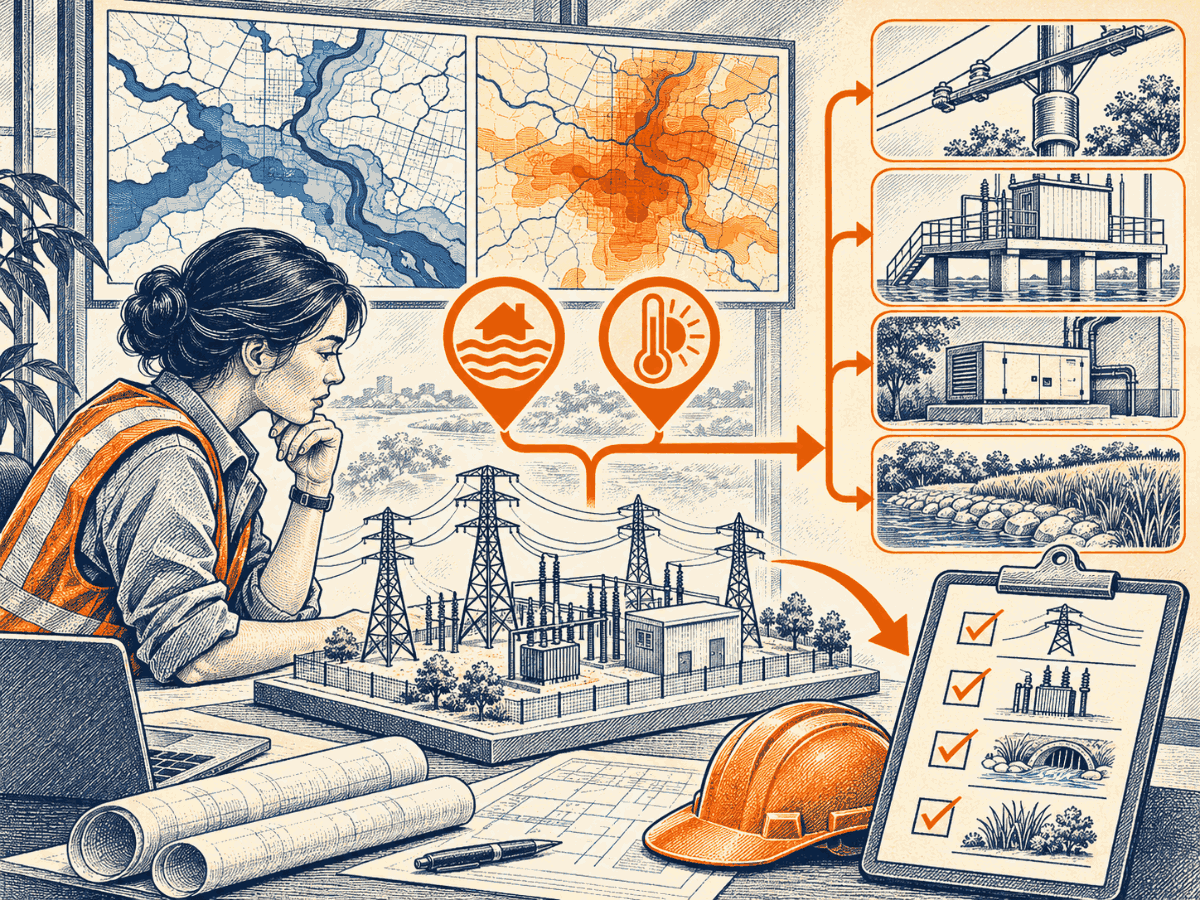
The IEA launched its Global Observatory on Energy Sector Resilience on 10 November, combining disruption data, infrastructure-risk mapping and resilience measures.
Decision to consider:Use the observatory to test the assumptions behind a resilience investment proposal.
Who should review it:Asset owners, engineering teams and business-continuity leads should examine local exposure together.
Suggested next step:Compare mapped hazards with site conditions, maintenance records and recovery exercises. Identify which measures address the most consequential failure modes, then require local technical evidence before committing capital or changing the organisation's resilience claims.
Based on the announcement dated .
What happened
العربيةThe first release focuses on electricity systems and includes more than 130 measures. Its outage dataset covers around 3,000 reported incidents linked to natural hazards since 2022 across more than 150 countries.
Why it matters
العربيةInfrastructure investments need a transparent link between identified hazards and the measures chosen to address them.
My take
العربيةUse the observatory to identify questions for local assessment, then validate the proposed investment against asset-level evidence.
My operating checks
العربية- Who owns the asset-level resilience assessment?
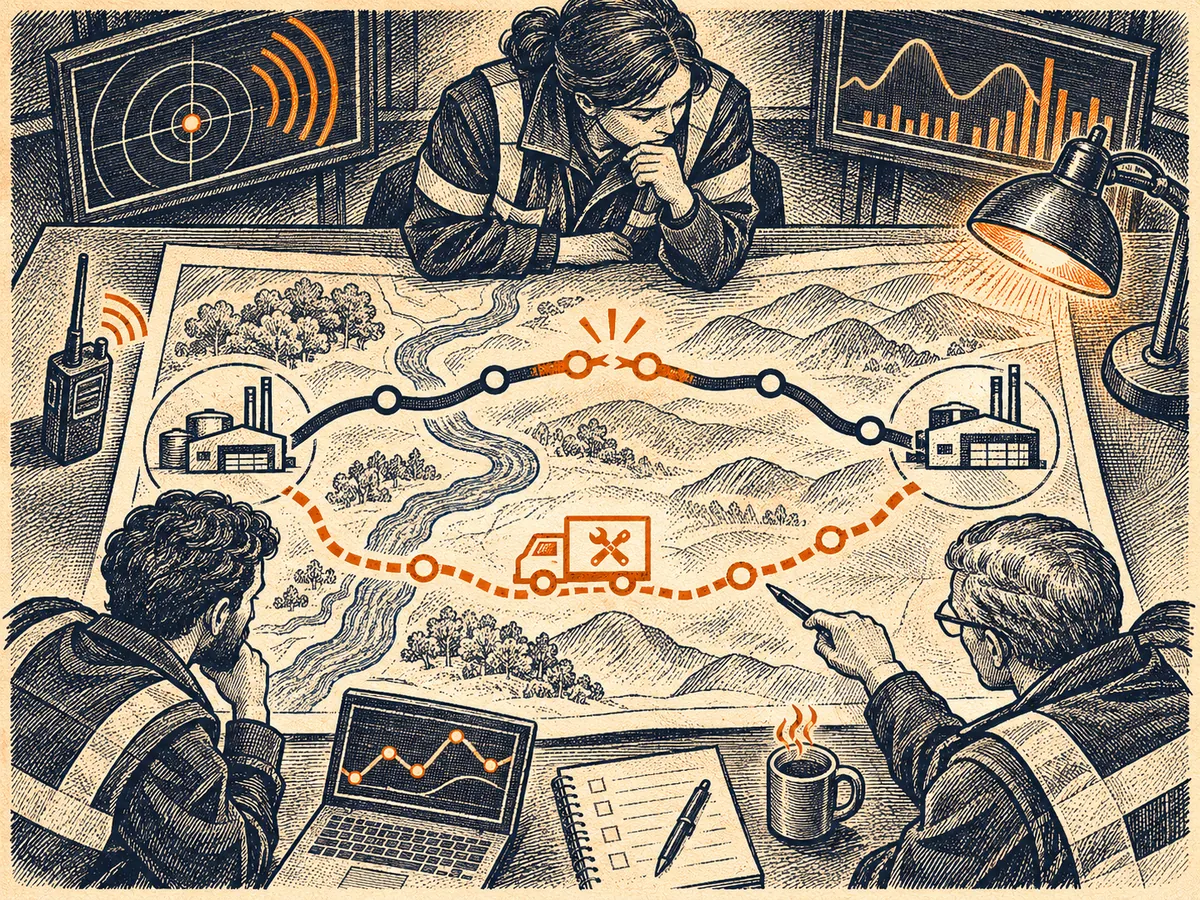
- Which disruptions would exceed current recovery arrangements?
- What evidence supports the priority and cost of each proposed measure?
The decision brief and operating questions are proposed diligence, not claims of performed work. Analysis is prepared with AI assistance and checked against the named primary sources. Editorial standards
Evidence and date verification
- www.iea.org
Announcement, scope, availability and qualifications.
Official publication dated 2026-11-10
- www.iea.org
Tool scope, evolving data and limitations.
Tool last updated 9 November, launch release dated 10 November.