Gemini Enterprise adds skill recovery and in-country Flash support
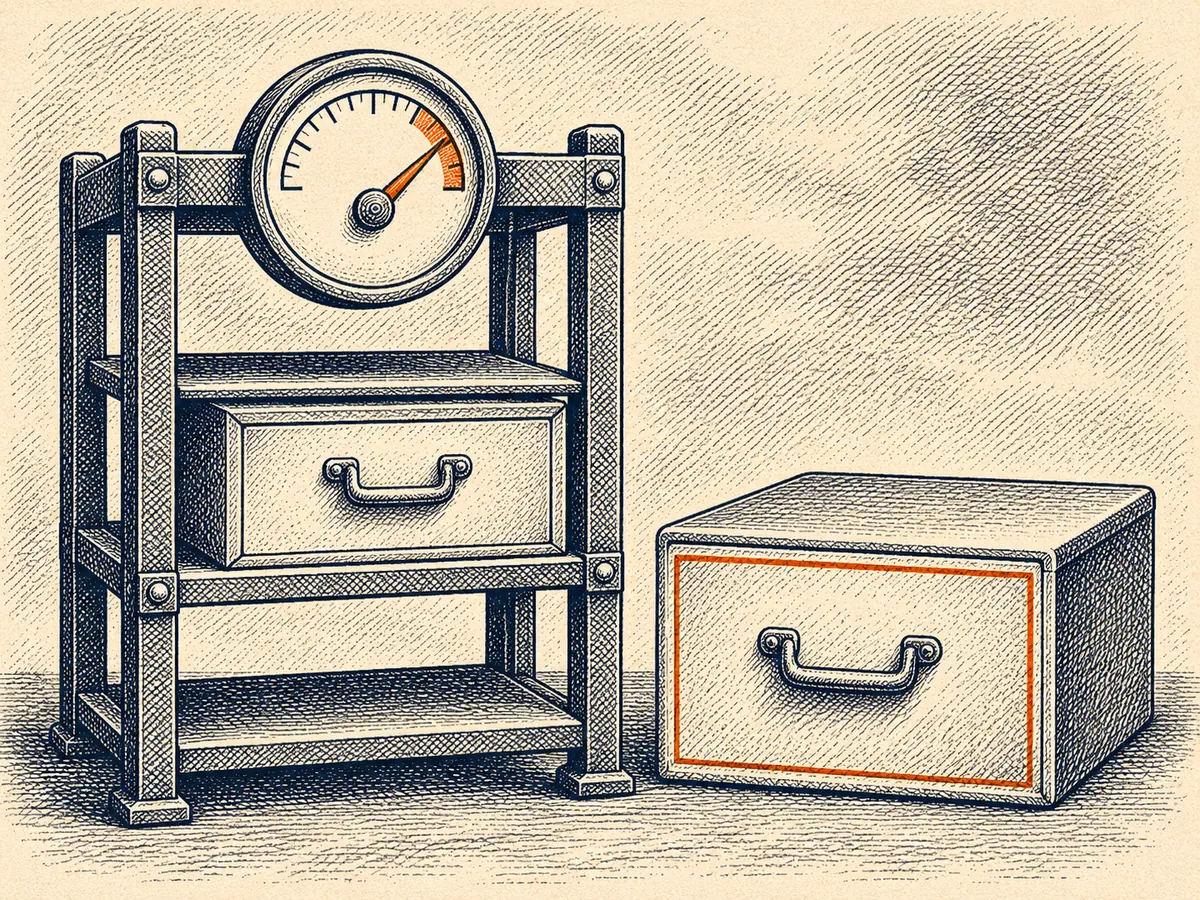
On 12 November, Google Cloud announced that Gemini Enterprise skill owners can inspect earlier instructions and files and restore an earlier version as a new current version.
Decision to consider:Editorial judgement: authorise a synthetic custom-skill recovery test and a separate regional Flash assessment, defer operational reliance pending those checks.
Who should review it:Gemini Enterprise administrator, eligible skill owner and regional data-governance lead.
Suggested next step:Proposed evidence check (editorial judgement): compare outputs before a deliberate skill regression, after it and after restoration, for Canada and Japan, map storage and machine learning processing for the exact configuration and connected tools.
Based on the announcement dated .

What happened
العربيةThe same Gemini Enterprise release notes make Gemini 3.8 Flash generally available in Canada and Japan with in-country storage and machine learning processing support. The Flash model and skill history are separate controls.
Why it matters
العربيةSkill owners gain a recovery path that preserves version history, but shared-workflow teams still depend on the eligible owner to restore a skill. In Canada and Japan, data-governance teams gain stated in-country Flash coverage for storage and machine learning processing, connected-tool residency remains a separate evidence question.
My take
العربيةEditorial judgement: prioritise a usable recovery route over version retention. If an eligible owner cannot carry out a tested restoration, do not treat history alone as a recovery plan for shared skills. Flash support in Canada and Japan is a separate approval question: the listed storage and machine learning processing scope is not evidence that every connected tool keeps data in-country.
My operating checks
العربية- Which eligible owner can perform restoration for each shared skill, and what documented recovery route remains if that owner is unavailable?
- What output comparisons distinguish a skill regression from a model or connected-data failure, and show that restoration recovers the intended behaviour?
- For the proposed Canada or Japan configuration, which storage, machine learning processing and connected-tool data flows have verified residency, and which remain unverified?
The decision brief and operating questions are proposed diligence, not claims of performed work. Analysis is prepared with AI assistance and checked against the named primary sources. Editorial standards
Evidence and date verification
- docs.cloud.google.com
Dates both Gemini Enterprise changes and specifies the two regions.
The corresponding Google Cloud release note appears under 2026-11-12. Supporting technical pages are implementation evidence, not a replacement for the announcement date.
- docs.cloud.google.com
Explains owner-only version history and how restoration preserves history.
The corresponding Google Cloud release note appears under 2026-11-12. Supporting technical pages are implementation evidence, not a replacement for the announcement date.
- docs.cloud.google.com
Describes Gemini Enterprise regional support and residency coverage.
The corresponding Google Cloud release note appears under 2026-11-12. Supporting technical pages are implementation evidence, not a replacement for the announcement date.