GKE Agent Sandbox: lifecycle automation is not proof of containment
Google Cloud announced general availability of Agent Sandbox on Google Kubernetes Engine on 20 May 2026. Its 12 November release notes restated that Agent Sandbox is available on supported GKE versions.
Correction: We previously gave 12 November 2026 as the announcement date. The original date was 20 May 2026. We have retained this article as background analysis.
Decision to consider:Editorial judgement: authorise a pilot for one agent workload only after containment checks pass; defer platform-wide standardisation.
Who should review it:Editorial judgement: the AI platform owner should be accountable, with security engineering sharing sign-off on the isolation boundary.
Suggested next step:Editorial judgement: first verify support for the workload's GKE version, then compare runtime configuration and effective outbound policy with adversarial test results for its actual resource-creation path.
Based on the announcement dated .

What happened
العربيةAgent Sandbox manages the lifecycle of dedicated Pods for agents. Teams that run untrusted code need to configure kernel isolation, such as gVisor or a microVM. The controller creates a default-deny network policy for Pods made from a SandboxTemplate. Teams that create Sandbox resources directly must supply their own network policy.
Pod snapshots require gVisor and a compatible cluster. Some underlying features may still have preview or regional restrictions.
Why it matters
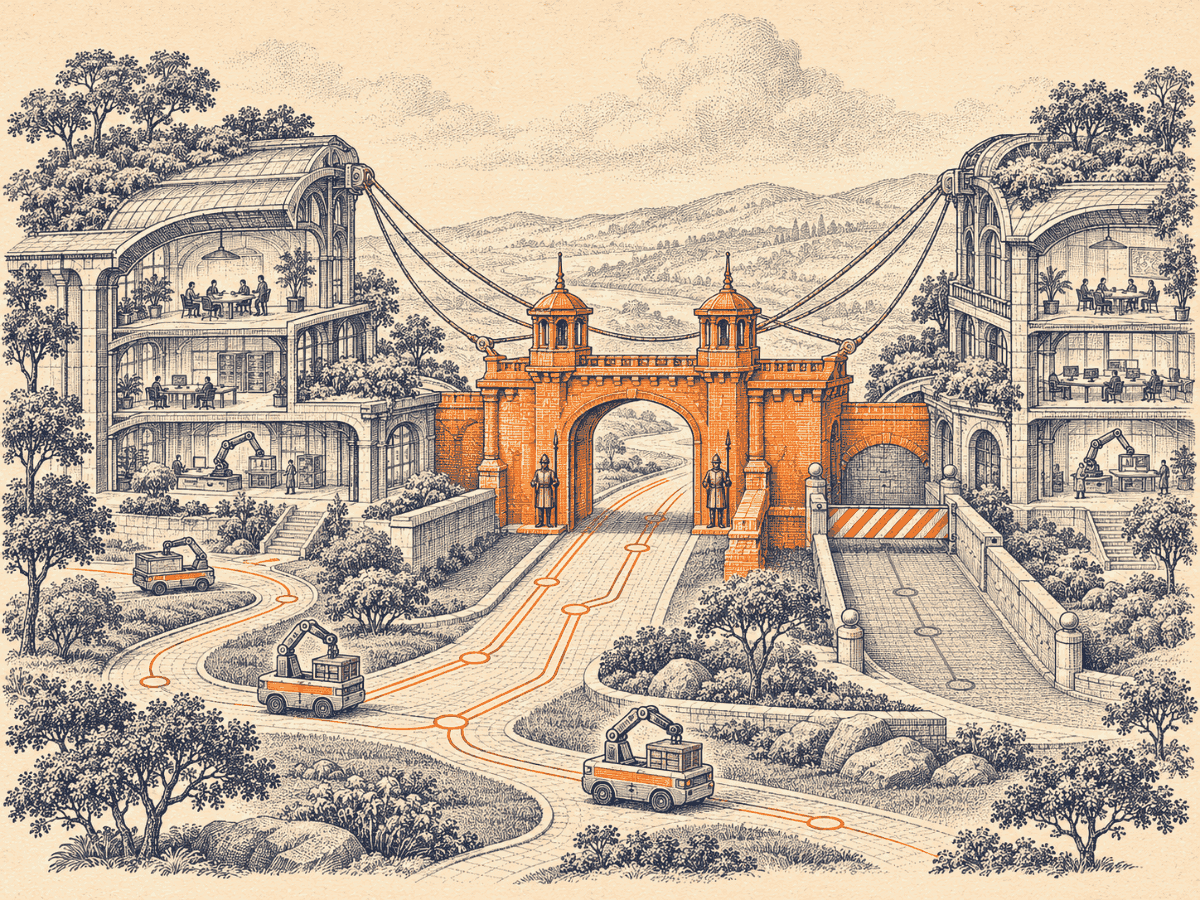
العربيةPlatform teams can manage agent environments with Kubernetes resources, but remain responsible for runtime-isolation configuration and checks on network access and cleanup. Pods from a SandboxTemplate receive a controller-created default-deny policy; directly created Sandbox resources require the team's own policy. That creation-path difference changes the network configuration the team must supply before testing whether untrusted code can reach other workloads or restricted data.
My take
العربيةEditorial judgement: select the runtime for the workload's containment needs, not snapshot availability alone. Pod snapshots require gVisor and a compatible cluster, so a microVM-based design cannot assume the same restoration path. If snapshots are essential, require tested compatibility and acceptance of any applicable preview or regional restrictions before design approval; otherwise, leave snapshots outside the launch requirement.
My operating checks
العربية- Which configuration records confirm use of a supported GKE version, the selected gVisor or microVM boundary, and network-policy coverage for the workload's resource-creation path?
- What adversarial test results show that untrusted code cannot reach another tenant's resources or restricted data, including through permitted outbound destinations?
- What retention records and cleanup results account for suspended or abandoned agent environments and their data?
The decision brief and operating questions are proposed diligence, not claims of performed work. Analysis is prepared with AI assistance and checked against the named primary sources. Editorial standards
Evidence and date verification
- cloud.google.com
Google Cloud announces general availability of Agent Sandbox on GKE.
The official announcement is dated 20 May 2026.
- docs.cloud.google.com
The release notes confirm availability on supported GKE versions.
The 12 November 2026 entry follows the 20 May general availability announcement.
- docs.cloud.google.com
The documentation describes runtime isolation, the network policy difference between template-based and directly created Sandbox resources, and snapshot requirements.
The documentation describes product behaviour. Its update date does not establish the original announcement date.