Feinstein receives $3.4 million for delirium AI research
The Feinstein Institutes announced on 6 November 2026 a $3.4 million NIH grant to develop AI tools for identifying delirium in emergency departments and predicting its onset during hospitalisation.
Decision to consider:Monitor the research for evidence that prediction improves a defined clinical pathway before considering procurement or routine use.
Who should review it:Geriatric medicine, nursing, clinical informatics and research governance teams should jointly assess future findings.
Suggested next step:Look for external validation, subgroup performance, alert burden and prospective patient outcomes. Require a clear response workflow and appropriate approvals before translating a research model into a clinical service.
Based on the announcement dated .
What happened
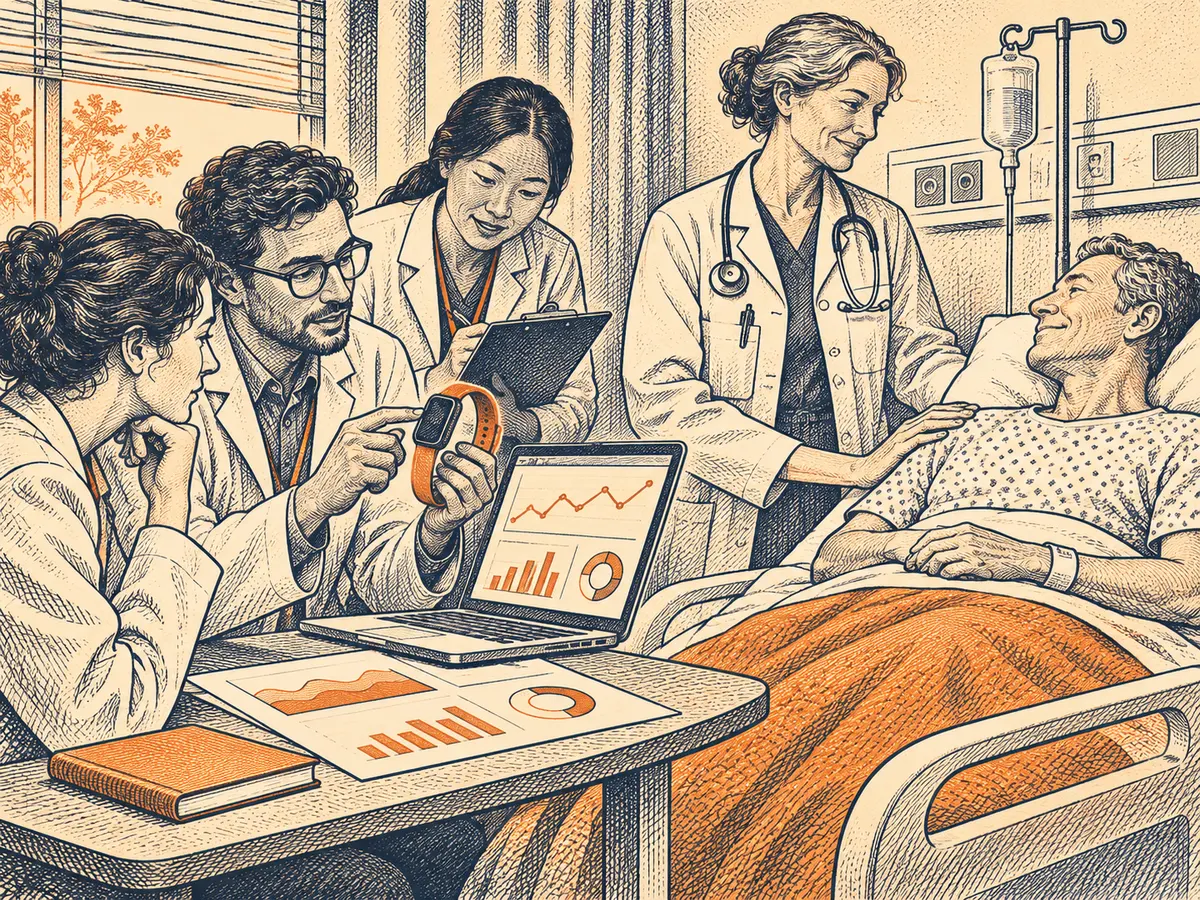
العربيةResearchers plan to combine electronic health records with continuous wearable data. The work includes validation across diverse patient groups and collaboration with clinicians on integration into hospital workflows.
Why it matters
العربيةPrediction can support care only when the alert leads to an appropriate clinical assessment and action.
My take
العربيةFollow the validation and workflow evidence before considering deployment. A grant establishes support for research, not readiness for routine clinical use.
My operating checks
العربية- Which patient groups will be represented in validation?
- Who will assess and act on a high-risk alert?
- What evidence would show benefit beyond existing delirium screening?
The decision brief and operating questions are proposed diligence, not claims of performed work. Analysis is prepared with AI assistance and checked against the named primary sources. Editorial standards
Evidence and date verification
- www.businesswire.com
Full primary executive summary or release, stated scope and qualifications.
Original publication date 2026-11-06 verified against the publisher or issuer-distributed release.