Bigtable access-pattern analysis is generally available, with a GoogleSQL gap
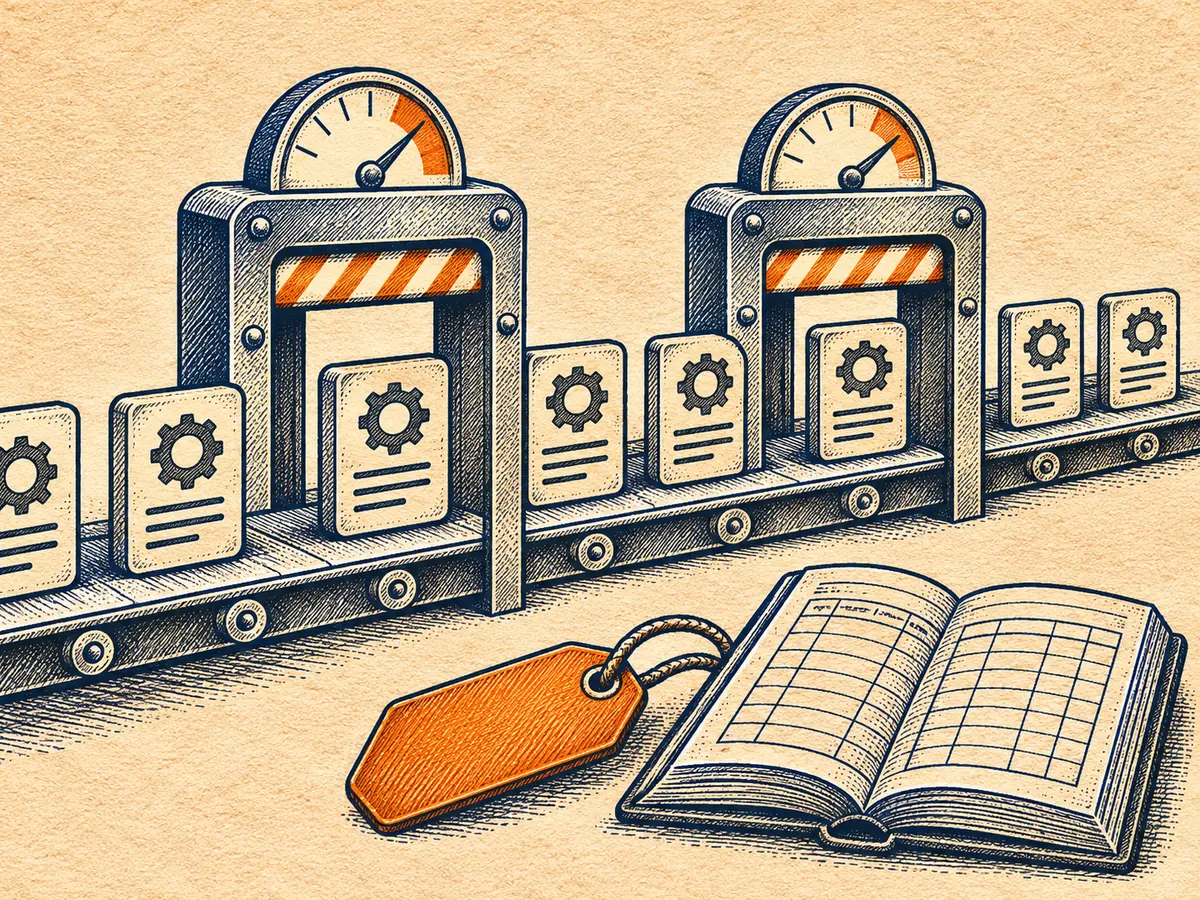
Google made Bigtable's console access-pattern analysis generally available on 13 November. It shows request volume, latency, bandwidth and scan metrics by query type.
Decision to consider:Editorial judgement: require workload-level evidence, including a separate GoogleSQL assessment, before approving a Bigtable capacity proposal.
Who should review it:Bigtable platform lead and the application owner responsible for the affected workload.
Suggested next step:Immediate editorial check: select a table or application profile with measured latency. Compare its query mix, scanned data and returned data, then obtain evidence for GoogleSQL requests outside the pattern classification. Establish application-level latency and cost baselines for a targeted change.
Based on the announcement dated .
What happened
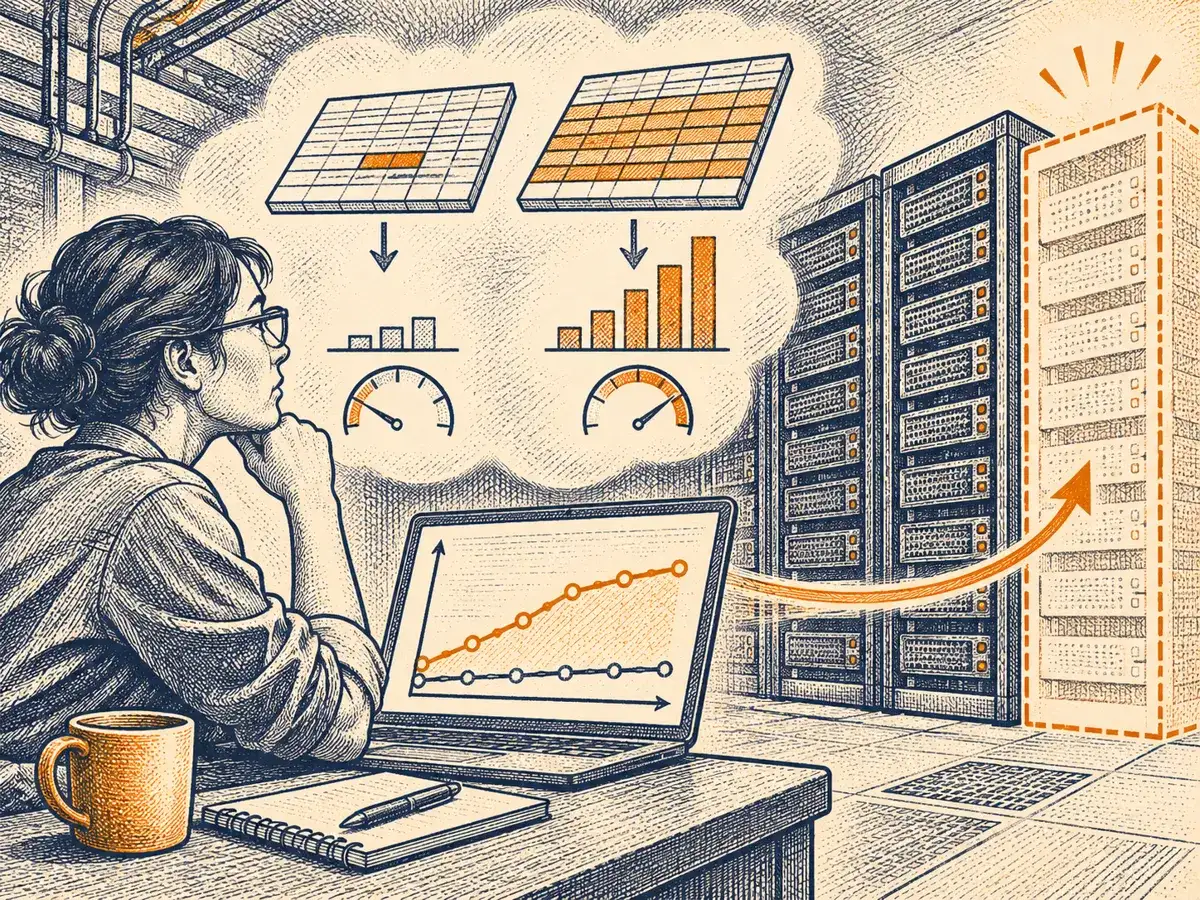
العربيةThe documentation says GoogleSQL queries are not classified into these patterns or included in row, cell and byte pattern metrics. They appear as unknown in relevant request and latency charts.
Why it matters
العربيةThe platform owner gets a more specific basis for a capacity request, while the application owner can investigate expensive access patterns. GoogleSQL's classification and metric gaps leave a separate diagnostic task. this console view alone cannot provide equivalent evidence for those queries.
My take
العربيةEditorial judgement: prioritise a change to one diagnosed workload over a blanket capacity increase. Added capacity may mask inefficient access, but a change that fails to improve application latency at an acceptable cost weakens the optimisation-first case. Reconsider capacity on that evidence, not on the pattern chart alone. unknown GoogleSQL traffic is an evidence gap, not proof of low demand.
My operating checks
العربية- Which query type, table or application profile accounts for the measured latency or scan burden, and which application owner can change it?
- What independent workload records explain GoogleSQL requests shown as unknown and cover the missing row, cell and byte pattern metrics?
- After a targeted change, what application-level latency and cost results support query optimisation, workload separation or additional capacity?
The decision brief and operating questions are proposed diligence, not claims of performed work. Analysis is prepared with AI assistance and checked against the named primary sources. Editorial standards
Evidence and date verification
- docs.cloud.google.com
Google made Bigtable's console access-pattern analysis generally available on 13 November. It shows request volume, latency, bandwidth and scan metrics by query type.
The complete announcement entry is under November 13, 2026.
- docs.cloud.google.com
The documentation says GoogleSQL queries are not classified into these patterns or included in row, cell and byte pattern metrics. They appear as unknown in relevant request and latency charts. Generally available in the Bigtable console. Access-pattern visibility is not a performance or savings guarantee. GoogleSQL requests have the documented classification and metric limitations.
Product guidance supports scope and qualifications. Announcement date comes from the dated release entry.