AWS makes OpenTSLM available in SageMaker JumpStart for time-series analysis
AWS announced OpenTSLM availability in SageMaker JumpStart on 17 November. The model combines time-series measurements with text context and can run on a real-time endpoint in the customer's AWS environment. The release includes a fine-tuning example and cautions that useful analysis windows and accepted payload size are different constraints.
Decision to consider:Editorial desk recommendation: approve a baseline evaluation of pretrained OpenTSLM before committing to fine-tuning.
Who should review it:The operational analytics owner should lead, with domain engineers, model evaluators and the owner of the affected control process.
Suggested next step:Compare the model's outputs with expert-reviewed events and known normal periods in the planned observation windows. Keep the original measurement units and timestamps so reviewers can match each output to the underlying record.
Based on the announcement dated .
Why it matters
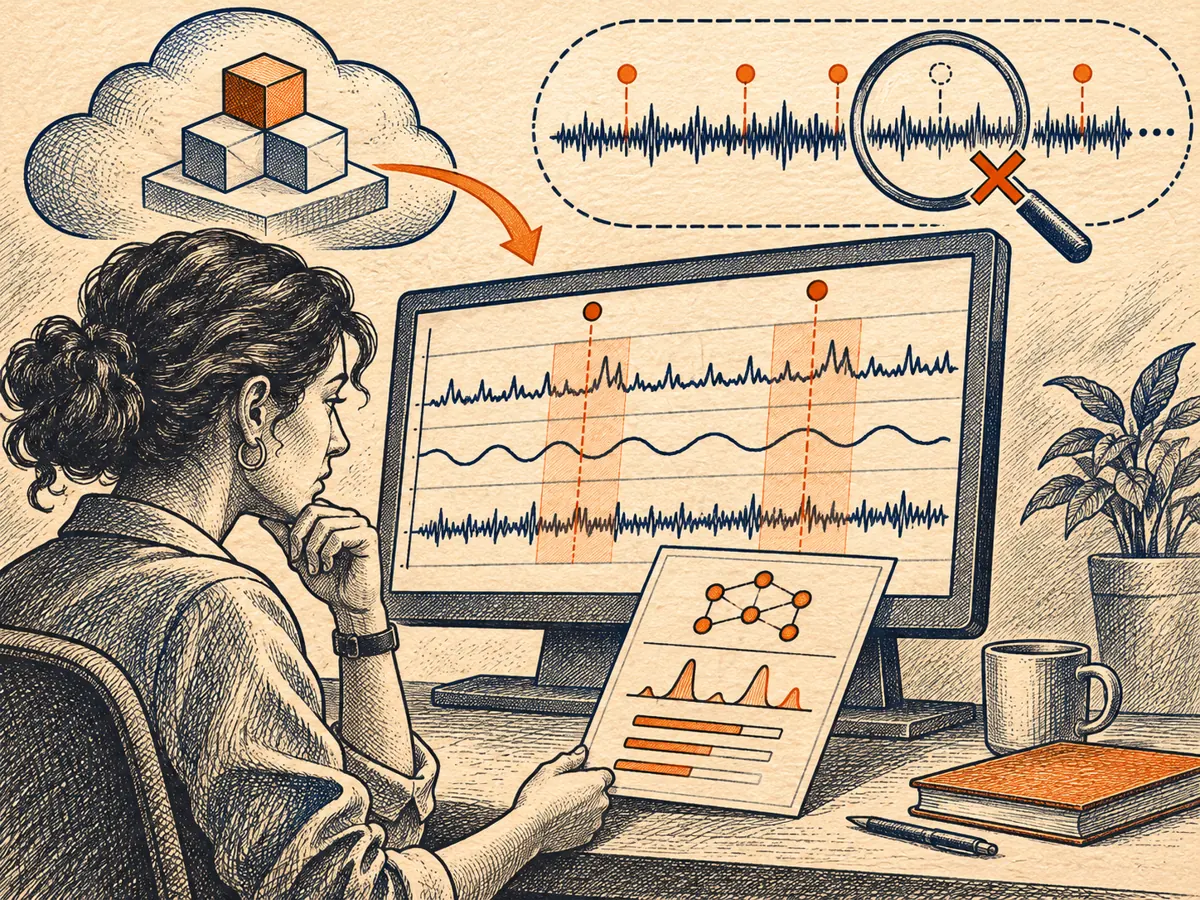
العربيةIf the model misses a brief fault, the operations team may not investigate it. If an explanation puts the fault at the wrong time, engineers may inspect the wrong part of the sensor record even if the explanation sounds convincing.
My take
العربيةEditorial judgement: a longer window may retain more operating context, but favour a shorter one if it lets the model pinpoint brief faults more reliably without losing context needed for the decision. Approve a human-reviewed decision-support trial only if tests at the intended window lengths show that the model correctly identifies when faults occurred and that its explanations agree with measurements in reviewed normal and abnormal cases. Defer automatic operational actions where a missed event or use of information unavailable at decision time would invalidate the decision.
My operating checks
العربية- Which expert-reviewed records mark when events start and end, document the relevant operating context and identify known normal periods?
- How do missed events, false detections and timing errors vary with window length and overlap in the intended workflow?
- What timestamped records show that a prediction uses only information available at decision time?
The decision brief and operating questions are proposed diligence, not claims of performed work. Analysis is prepared with AI assistance and checked against the named primary sources. Editorial standards
Evidence and date verification
- aws.amazon.com
The full dated primary statement establishes the described scope and qualifications.
The original issuer release is dated 2026-11-17.