Amazon Connect saves unfinished email drafts across interruptions
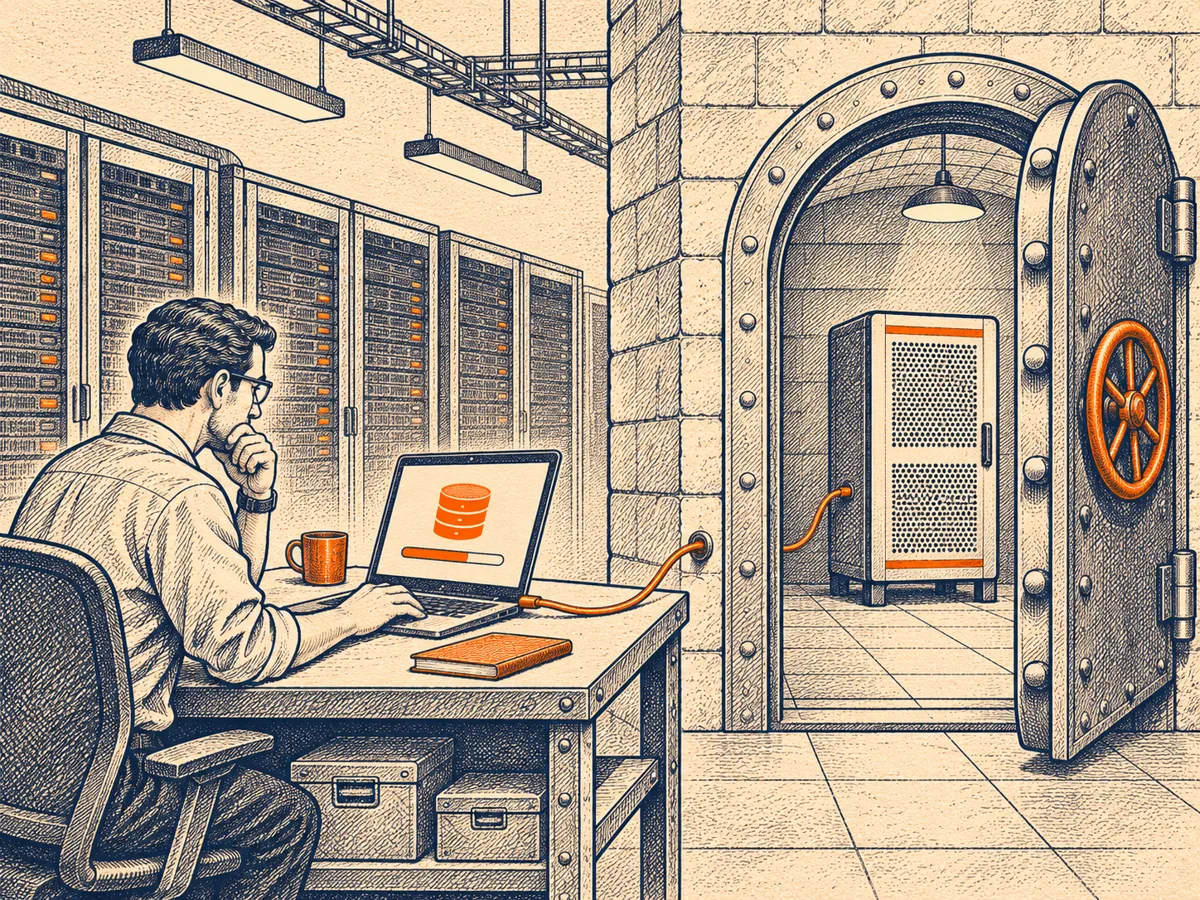
On 30 October AWS announced automatic saving of unfinished Connect emails so agents can resume after a disconnection, browser closure or refresh.
Decision to consider:Define ownership of recovered Connect email drafts before treating automatic saving as a complete service-recovery process.
Who should review it:Contact-centre supervisors, correspondence owners and information-governance teams responsible for reassignment, retention and access.
Suggested next step:Test interruptions and attachment-reference scenarios, then measure time to a reviewed reply. Make saved, assigned and sent states distinct. Confirm the announced regional scope and avoid assuming that every attachment-recovery scenario is guaranteed.
Based on the announcement dated .

What happened
العربيةThe saved draft includes message body, recipients, subject and attachment references. AWS describes S3 integration for draft data.
Why it matters
العربيةA dropped session can force an agent to reconstruct a response or leave a customer waiting. Recovery makes the work easier to resume, but an unfinished message still needs an owner and a final review.
My take
العربيةMeasure whether restored drafts shorten the time to a reviewed reply rather than simply counting saved drafts. Test recovery with realistic interruptions and make the distinction between saved, assigned and sent visible to supervisors. Retention and access rules should follow the sensitivity of customer correspondence, including drafts that were abandoned.
My operating checks
العربية- Who owns a restored draft when the original agent is unavailable, and how is reassignment recorded?
- Which interruption and attachment-reference scenarios must pass recovery testing before rollout?
- How long should abandoned drafts remain available, and who verifies deletion and access controls?
The decision brief and operating questions are proposed diligence, not claims of performed work. Analysis is prepared with AI assistance and checked against the named primary sources. Editorial standards
Evidence and date verification
- aws.amazon.com
Feature scope, availability and operational controls described in the full official release.
The official release explicitly states Posted on: Oct 30, 2026.