AWS adds statement-level audit logging to Aurora DSQL, including bind parameters and identities
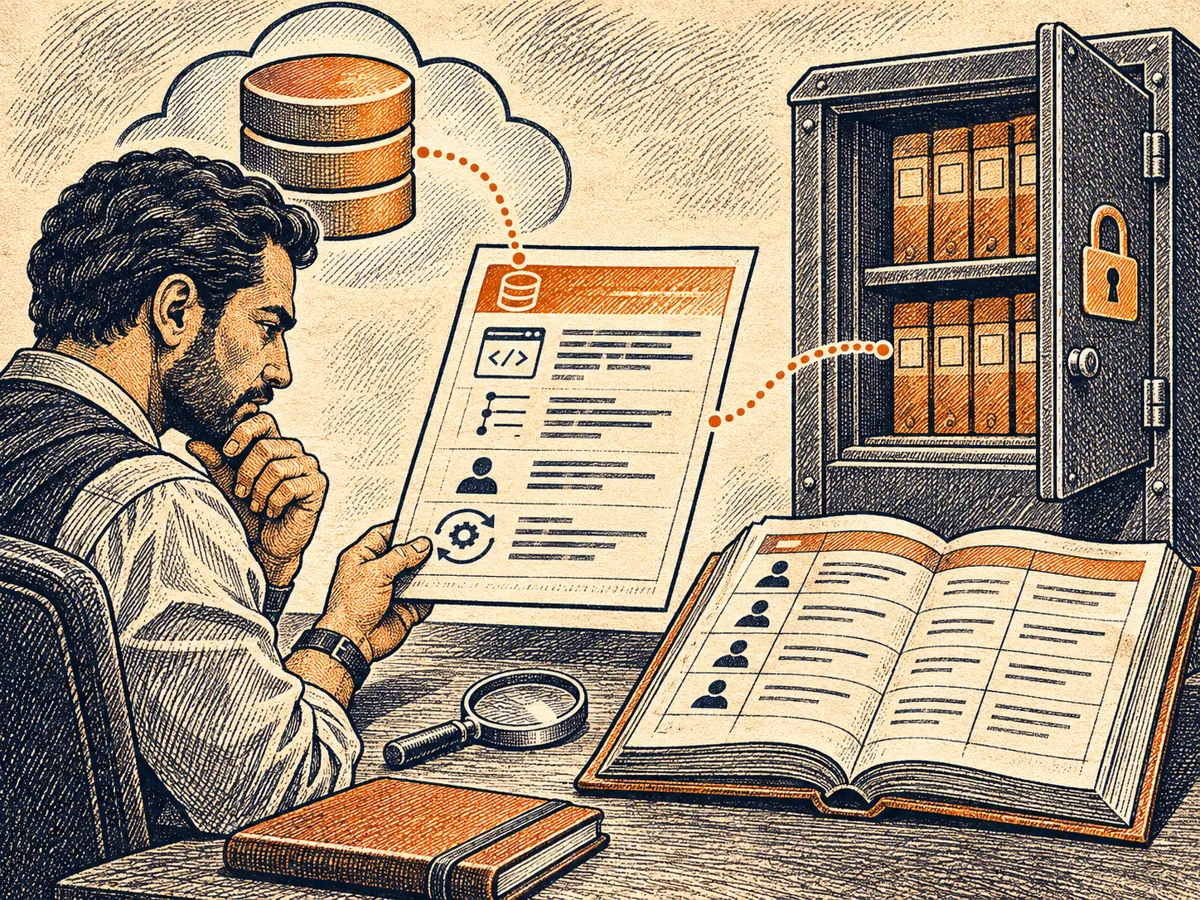
AWS announced Aurora DSQL database-internal audit logging on 18 November. It captures SQL statement text, bind parameters, identities and transaction details, adding activity evidence beyond CloudTrail connection records.
Decision to consider:Editorial judgement: approve a controlled audit-readiness test, not broad production collection.
Who should review it:The database service owner should lead with security operations, privacy and the audit evidence owner.
Suggested next step:Run representative SQL statements with non-sensitive values and trace their text, bind parameters, acting identities and transaction identifiers into S3. Verify that authorised investigators can retrieve the records and unauthorised readers cannot.
Based on the announcement dated .
Why it matters
العربيةSecurity operations can investigate SQL activity after a database connection is made. For the database team, that means setting access and retention rules for logs that may hold sensitive application data in statement text or bind parameters, and budgeting for collection.
My take
العربيةEditorial judgement: approve production collection only if the new logs fill a defined evidence gap left by CloudTrail connection records and the database team can enforce restricted log access and an explicit retention rule. If connection records already answer the audit question, defer collection rather than pay to store potentially sensitive values.
My operating checks
العربية- Which expected statement types, acting identities and transaction details appear in the test logs, and which are missing?
- Which types of sensitive application data could log readers see in statement text or bind parameter values?
- What operating plan identifies who owns log access, retention, delivery failure alerts and the budget, and estimates the combined processing, delivery and storage cost?
The decision brief and operating questions are proposed diligence, not claims of performed work. Analysis is prepared with AI assistance and checked against the named primary sources. Editorial standards
Evidence and date verification
- aws.amazon.com
The full original AWS release establishes the announced scope, availability and stated limitations.
AWS dates the original release 18 November 2026.