Athena system tables expose query usage for cost accountability
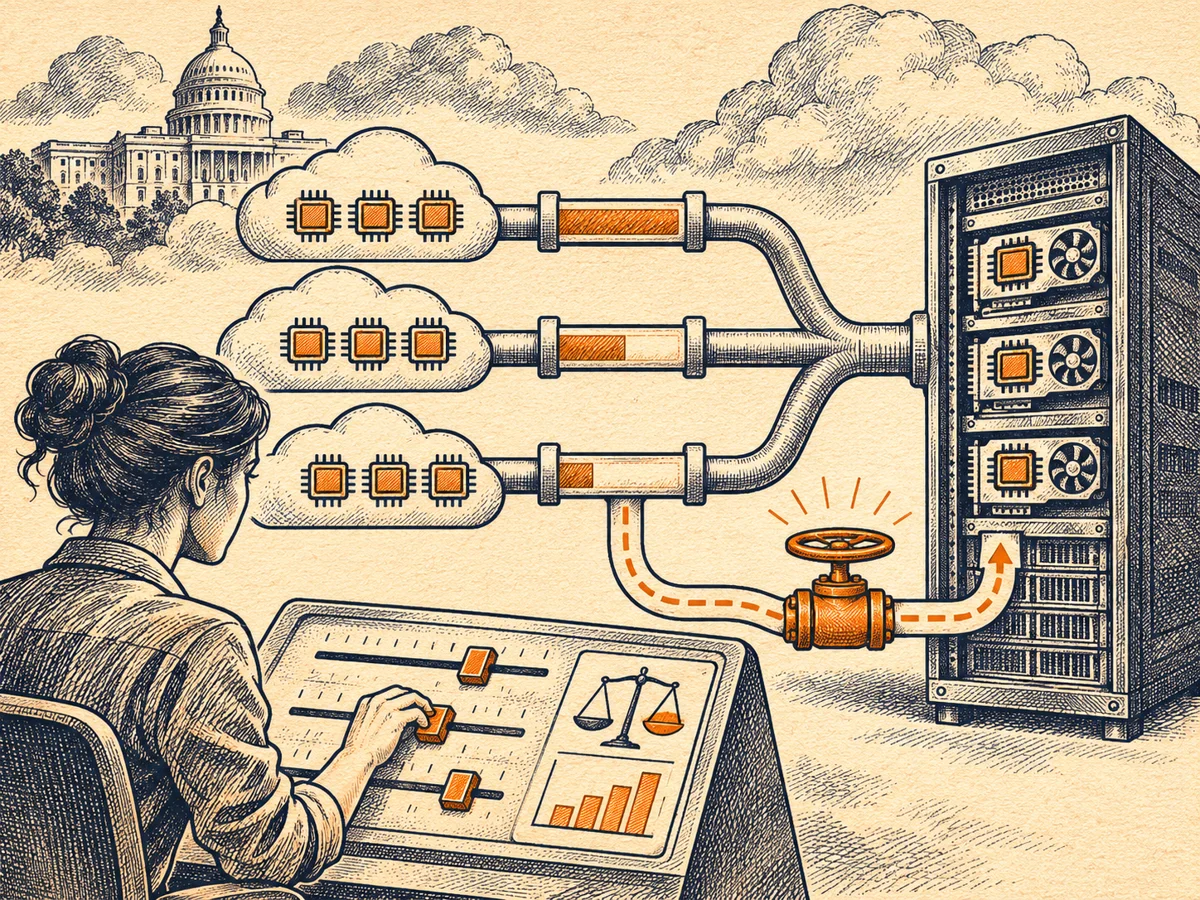
AWS introduced Athena system tables on 9 November. Read-only, service-managed Iceberg tables expose query execution records across workgroups within minutes of completion.
Decision to consider:Consider using system tables to validate one disputed analytics allocation before changing internal chargeback rules.
Who should review it:The analytics platform owner and FinOps team should reconcile the records with finance and the affected business unit.
Suggested next step:Compare a representative period with billing data, check user attribution and retention, then investigate expensive recurring queries. Approve an allocation method only after documenting its gaps.
Based on the announcement dated .
What happened
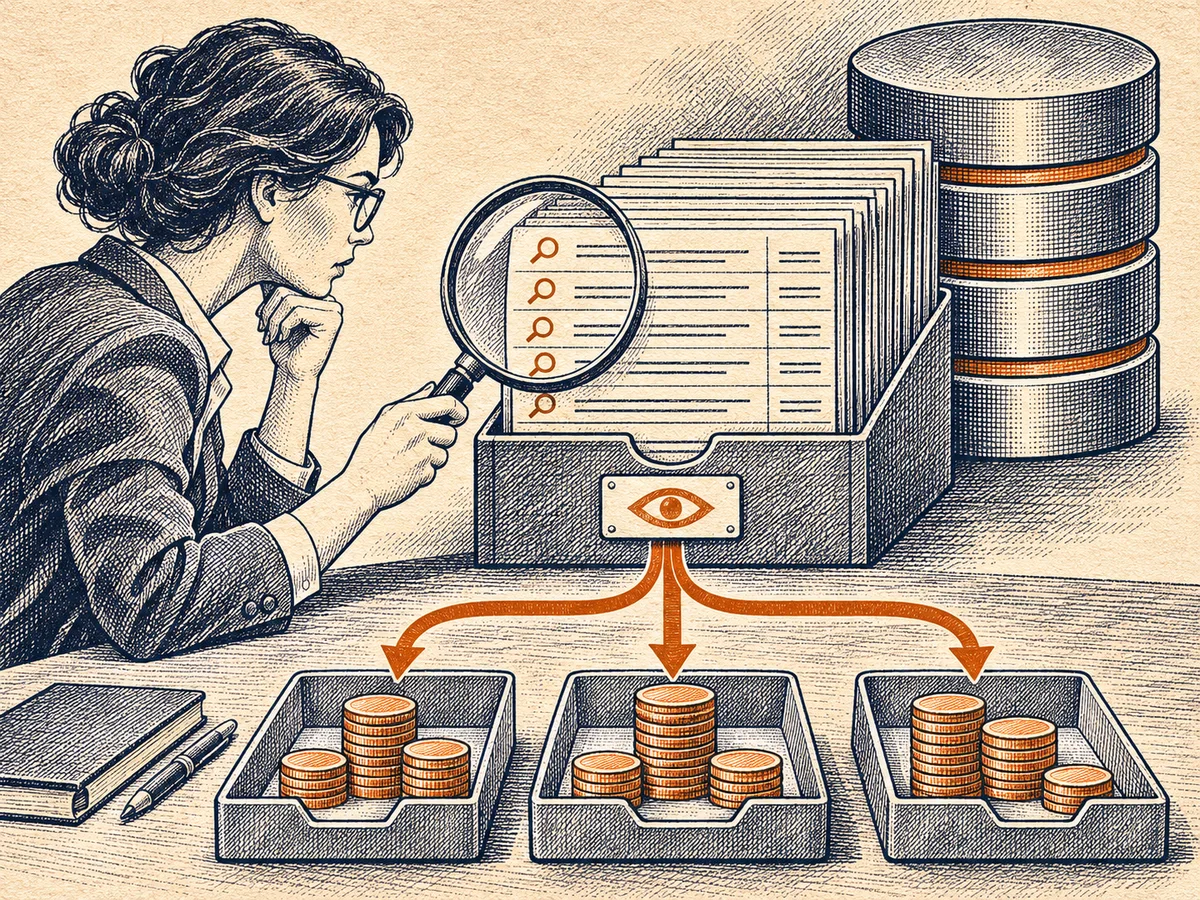
العربيةThe tables use Amazon S3 Tables and support configurable retention. Teams can query usage by dimensions such as user, table and workgroup without first building a separate extraction pipeline.
Why it matters
العربيةAnalytics costs are difficult to manage when teams cannot connect consumption to an accountable owner. A consistent query record can make that discussion more specific.
My take
العربيةI would start with shared workloads that currently produce disputed allocations. The test is whether finance and engineering can agree on the same explanation of consumption. Better visibility helps only when someone can change the query, its schedule or the underlying data design.
My operating checks
العربية- Who owns queries that run under a shared service identity?
- How will teams resolve differences between usage records and billed costs?
- What evidence would justify changing an internal allocation rule?
The decision brief and operating questions are proposed diligence, not claims of performed work. Analysis is prepared with AI assistance and checked against the named primary sources. Editorial standards
Evidence and date verification
- aws.amazon.com
Announcement, supported functionality and stated availability limits described in the factual lead and caveats.
Official release dated 2026-11-09.