Abu Dhabi reports sustainability results across its school programme
EAD reported results from the 2025–2026 Sustainable Schools Initiative: 133 participating schools, with 84 eligible for ratings and 69 receiving at least five stars.
Decision to consider:Decide which practices from the completed school sustainability cycle merit replication, using comparable results rather than activity counts alone.
Who should review it:School programme managers, facilities leaders and the teams responsible for environmental measurement and funding.
Suggested next step:Check how water and waste figures were validated, adjust comparisons for school size and select a practice with a named transfer owner. Treat operator-reported ratings as evidence to examine, not proof of lasting environmental impact.
Based on the announcement dated .
What happened
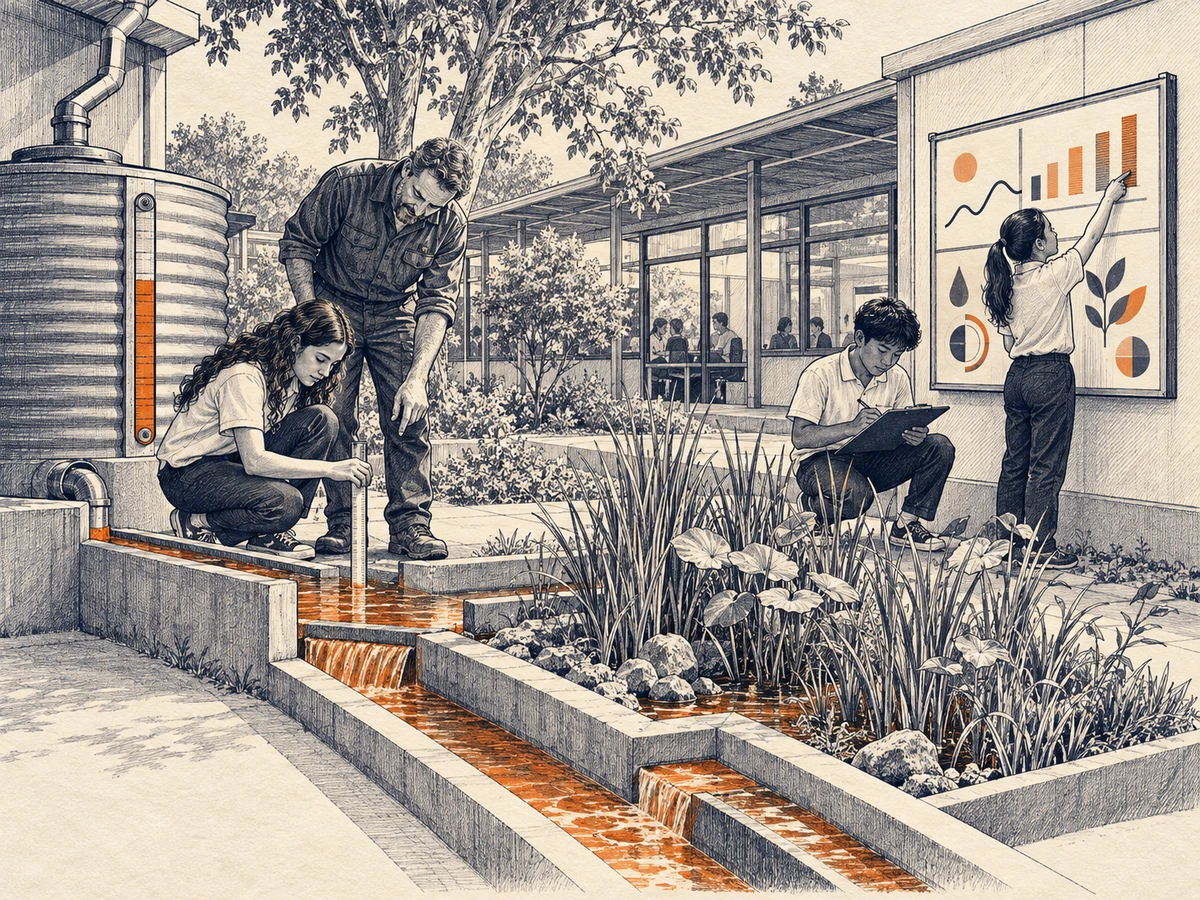
العربيةReported programme outcomes include more than one million litres of recycled water, 336,266 kilograms of recycled waste and 1,308 Eco Club projects.
Why it matters
العربيةThe programme offers a practical example of coordinating operational measurement, staff development and participant-led delivery across many institutions.
My take
العربيةI would use these results to examine repeatability. A strong programme makes measurement consistent enough to identify which local practices can travel to another school.
My operating checks
العربية- How are water and waste figures validated consistently across participating schools?
- Which practices produced the largest improvements after adjusting for school size?
- Who funds and owns the transfer of proven methods from lead schools to new participants?
The decision brief and operating questions are proposed diligence, not claims of performed work. Analysis is prepared with AI assistance and checked against the named primary sources. Editorial standards
Evidence and date verification
- www.mediaoffice.abudhabi
Participation, eligibility, ratings and reported resource/project outcomes.
Official article visibly dated 23 October 2026.